Outdoor Field Guides
How to Build a Camping Equipment Range Around Real Campsite Tasks
Build a camping retail range around shelter, seating, sleep and storage. Compare product compatibility and prepare separate quotation lines for each model.
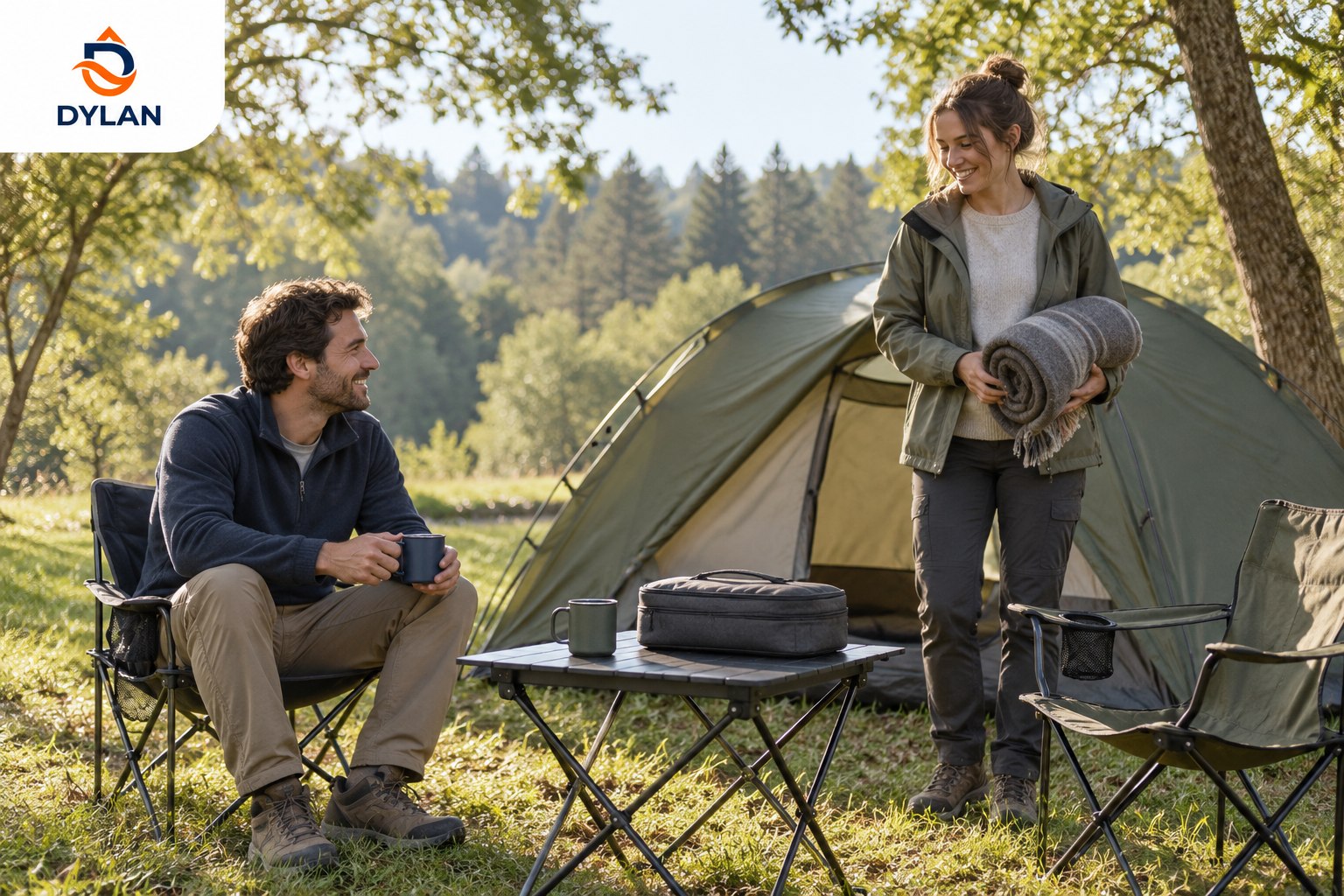
Picture a customer arriving at a campsite: the shelter comes out first, somewhere to sit follows, and the evening meal needs a workable place of its own. For a retailer, that sequence is a useful starting point for building a camping range.
Instead of filling a shelf with unrelated accessories, organise the assortment around tasks. Then compare the specifications, packed sizes, included parts and supplier information that make each item understandable to the buyer.
Choose the customer and transport situation first
A drive-up campsite and a site reached on foot create different purchasing questions. Ask how customers will transport their equipment, how much storage they have and which tasks they want the kit to cover. Those answers help determine what to compare; they do not establish that a particular product suits every trip.
Make each proposed line earn its place. Does it answer a specific need, or is it another item with the same purpose? Start with a short assortment brief and expand only where the differences can be explained.
| Camp task | Useful comparison evidence | Retail merchandising question |
|---|---|---|
| Shelter | Current dimensions, layout, packed size, included parts and documented use | Can a customer understand the space and setup from the listing? |
| Seating and tables | Dimensions, operating instructions, stated limits, folded size and carry arrangement | Do the selected pieces fit the intended camp layout? |
| Sleep setup | Product dimensions, compatible components and relevant manufacturer specifications | Which items are supplied together and which are separate? |
| Meal preparation | Exact appliance or cookware specifications, compatibility and use instructions | What else does the customer need, and what should not be implied by a styled image? |
| Lighting and storage | Power requirements where applicable, included parts and packed form | Can staff explain operation, packing and replenishment needs? |
Use one real camp layout to make the range understandable
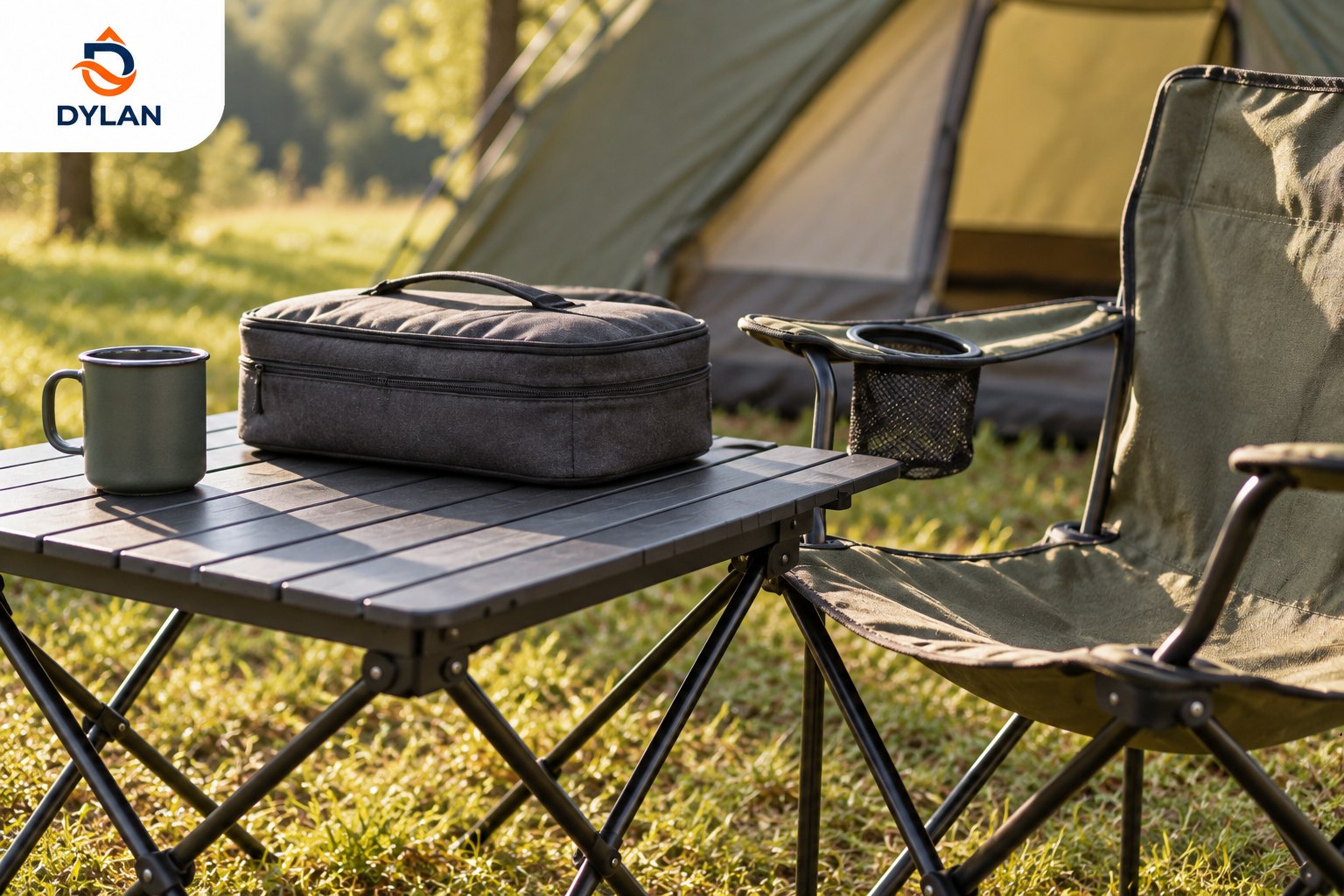
Photograph the selected products in a real setup, with each item identifiable. Follow with separate product views so buyers can distinguish the actual merchandise from props. If a table scene includes a stove, cookware or a lamp that is not part of the offer, label it separately.
The DYLAN camping equipment collection provides categories including tents, chairs, tables, sleep equipment, cots, stoves, lighting, cookware and coolers. Use those categories to build a shortlist, then record the brand and original model reference as well as the SHOP reference.
Keep brand identity and supply arrangements clear
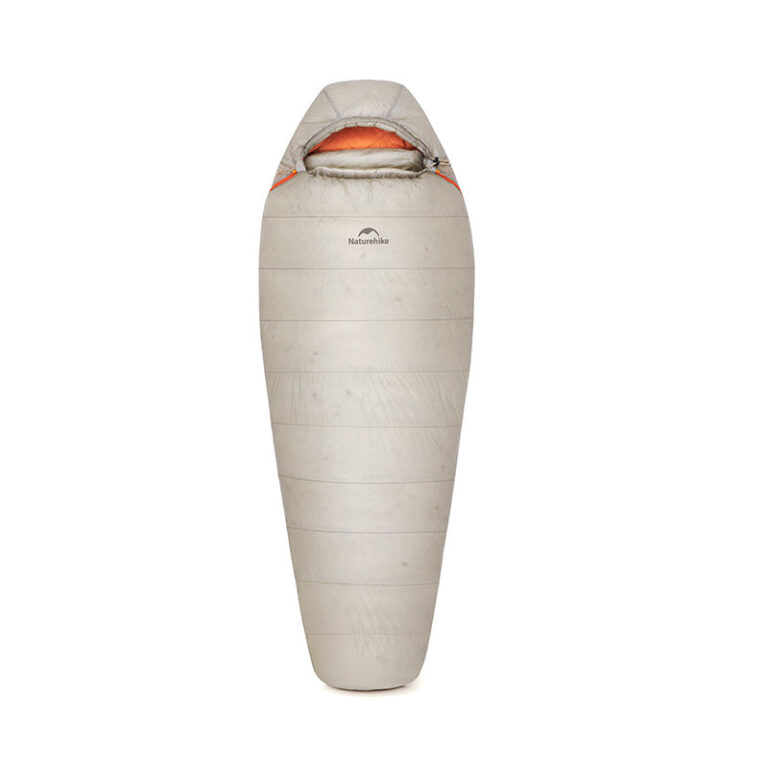
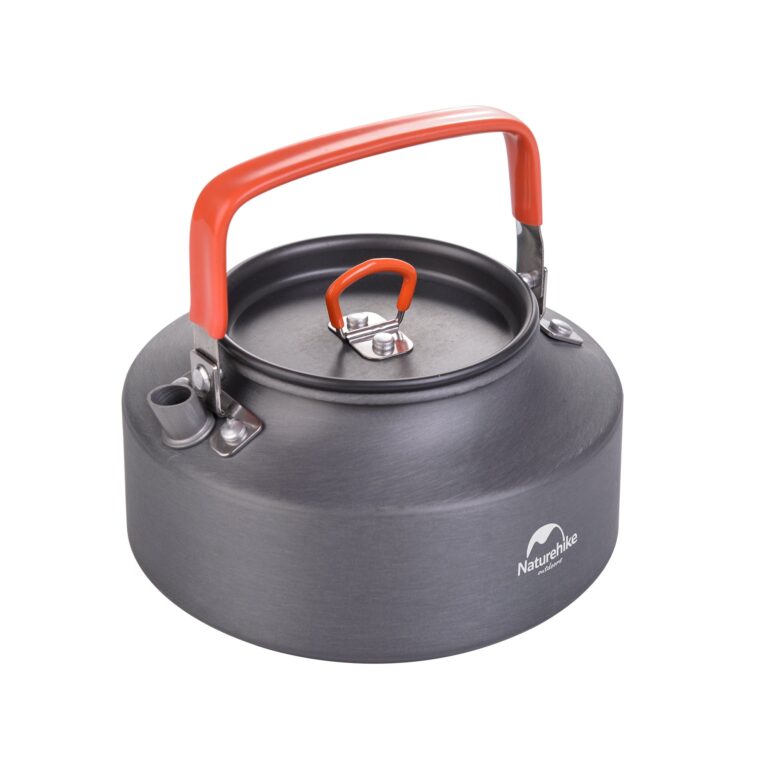
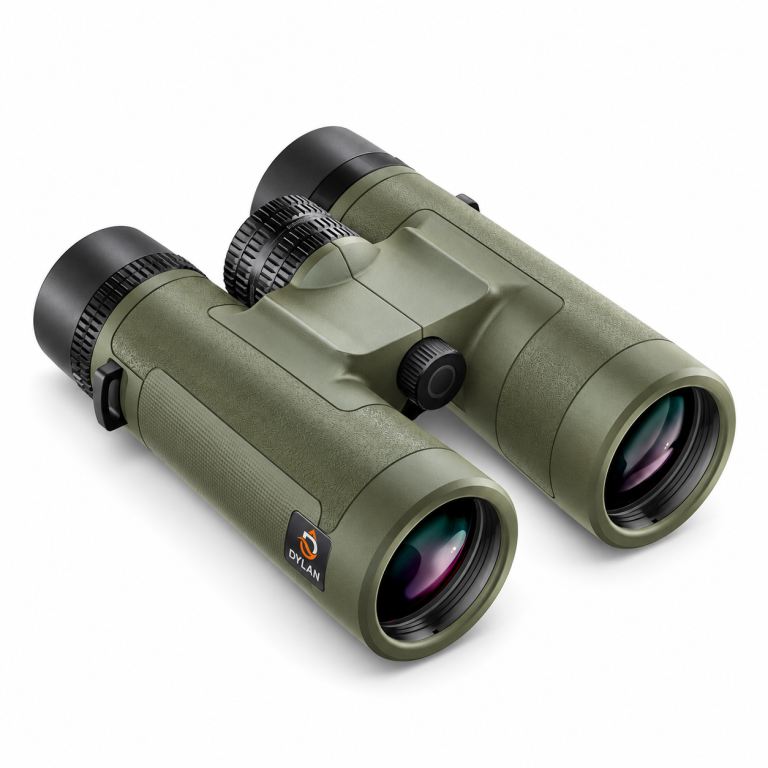
The current collection includes third-party branded listings. A catalogue entry does not itself establish stock, brand authorisation or distribution rights for a territory. Confirm availability, the permitted sales channel, any relevant brand arrangements and the source of after-sales support before committing to a branded range.
This is also why product photographs should retain accurate identity. A manufacturer image can explain a product after its permitted use has been confirmed, but it should not be presented as a DYLAN field test or a photograph taken by your own team.
Check how the products work together
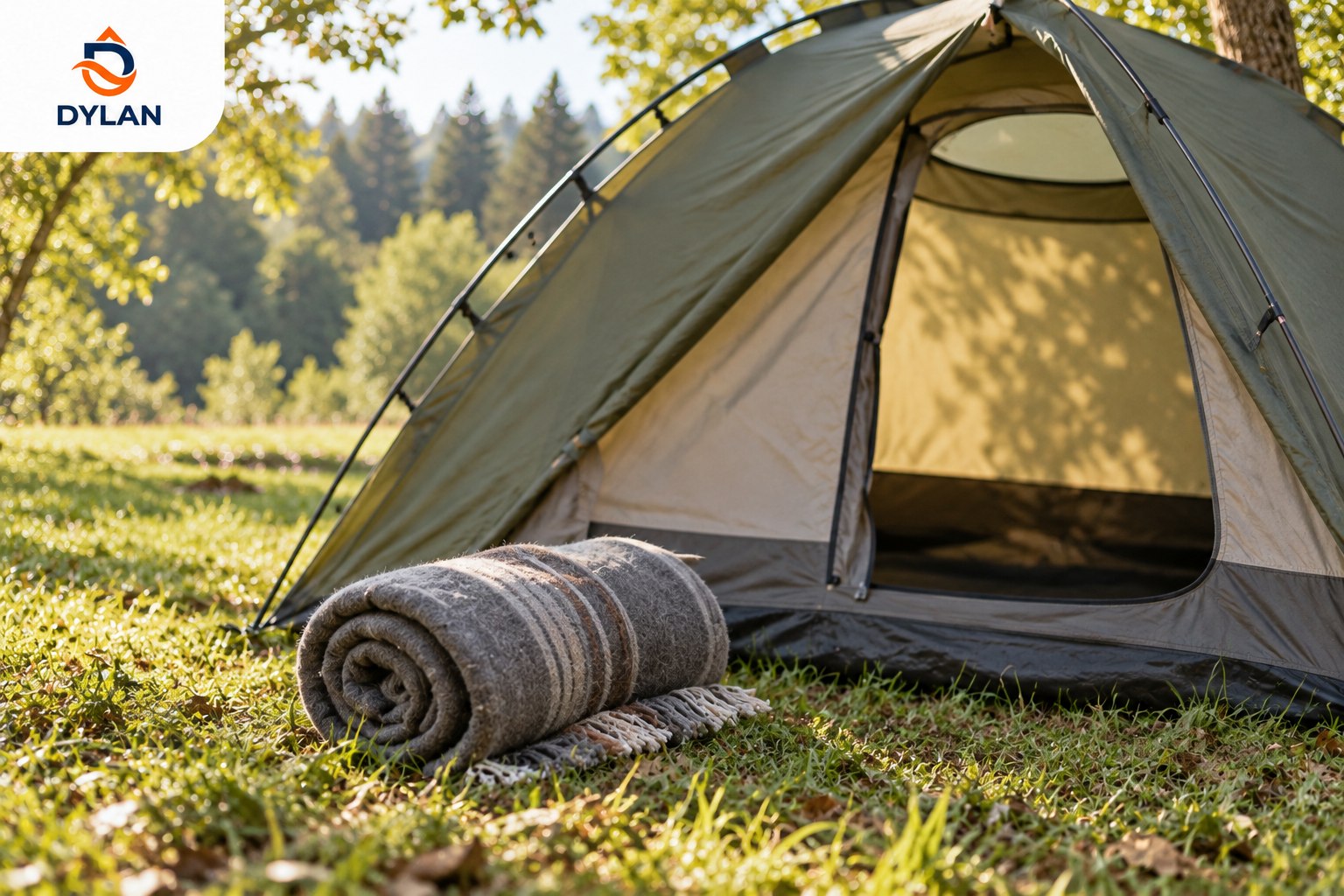
Compare the selected pieces as a set of decisions. A chair’s dimensions may affect how it works beside a table. A cot and sleeping setup need a verified fit inside the intended shelter. Transport and storage requirements depend on the combined packed load, not only one item’s headline description.
Ask for written dimensions and compatibility information. Where you arrange a sample setup, record exactly which models were used and what was observed. Do not describe the group as an all-season, waterproof or expedition-ready system unless the relevant claims are supported for the actual products.
Build a quotation sheet with separate product lines
List each item with its brand, model, configuration, sample quantity and proposed bulk quantity. Keep optional components on separate lines. Add your country, retail channel, planned selling period, delivery location and target arrival date.
Ask the supplier to confirm availability, specifications, included items, price and delivery arrangements for the selected lines. If one item is unavailable, request an identified alternative with its own documentation rather than an unspecified substitution.
Buyer FAQ
Should a camping range be sold as one fixed bundle?
Only when the contents, compatibility and commercial offer are clearly defined. A styled scene can help customers compare items, while the quotation should still identify exactly what each line includes.
Can a larger campsite setup be described as backpacking equipment?
Do not infer that from the photograph. Review the intended use, dimensions and packed weights for the actual products and the customer’s transport needs.
Does a product appearing in SHOP confirm immediate availability?
No. Ask for confirmation in the quotation, including the delivery arrangements for your destination and target date.
Build a camping range around your customers
Explore the camping equipment collection and prepare a shortlist in the SHOP. Contact DYLAN with your company, country, customer scenario, model references, quantities, delivery location and target date so that the enquiry can be reviewed product by product.