Outdoor Field Guides
Mummy or Open-Flat Sleeping Bags? Build a Two-Format Camping Offer
Compare two documented sleeping-bag formats: Naturehike MJ300 and MS500. Plan the retail story, sample review and evidence still needed.
A camping retailer does not need two sleeping bags that tell the same story. A shaped mummy profile and a bag that opens flat can answer different customer questions, provided the distinction is explained without inventing a temperature advantage or a weight saving.
For buyers building a focused offer, the practical question is whether the second format adds a clear reason to choose. That decision should combine the documented product features, a sample demonstration and the needs of the retailer’s actual customers.
Two catalogue products, two presentation opportunities
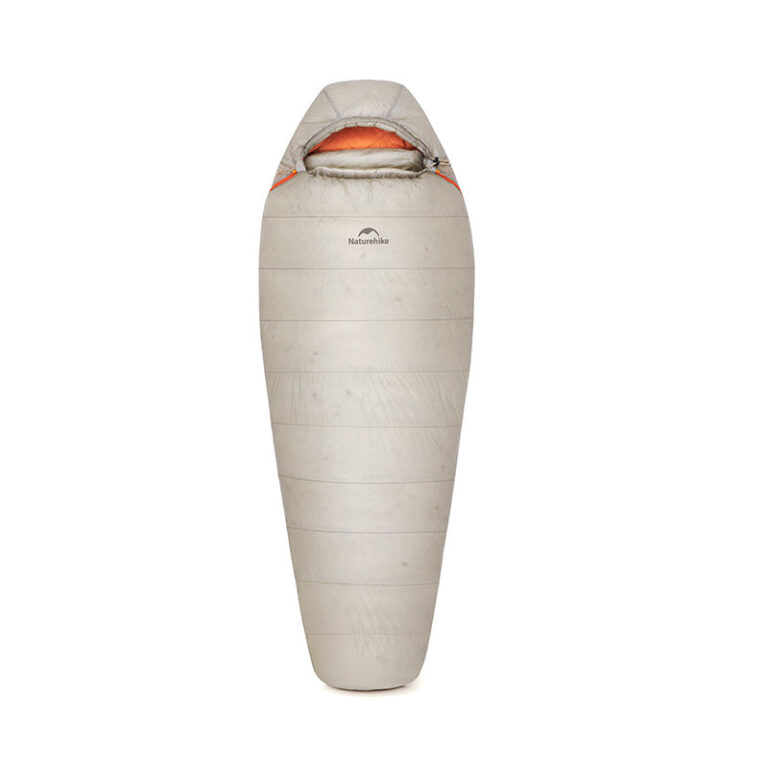
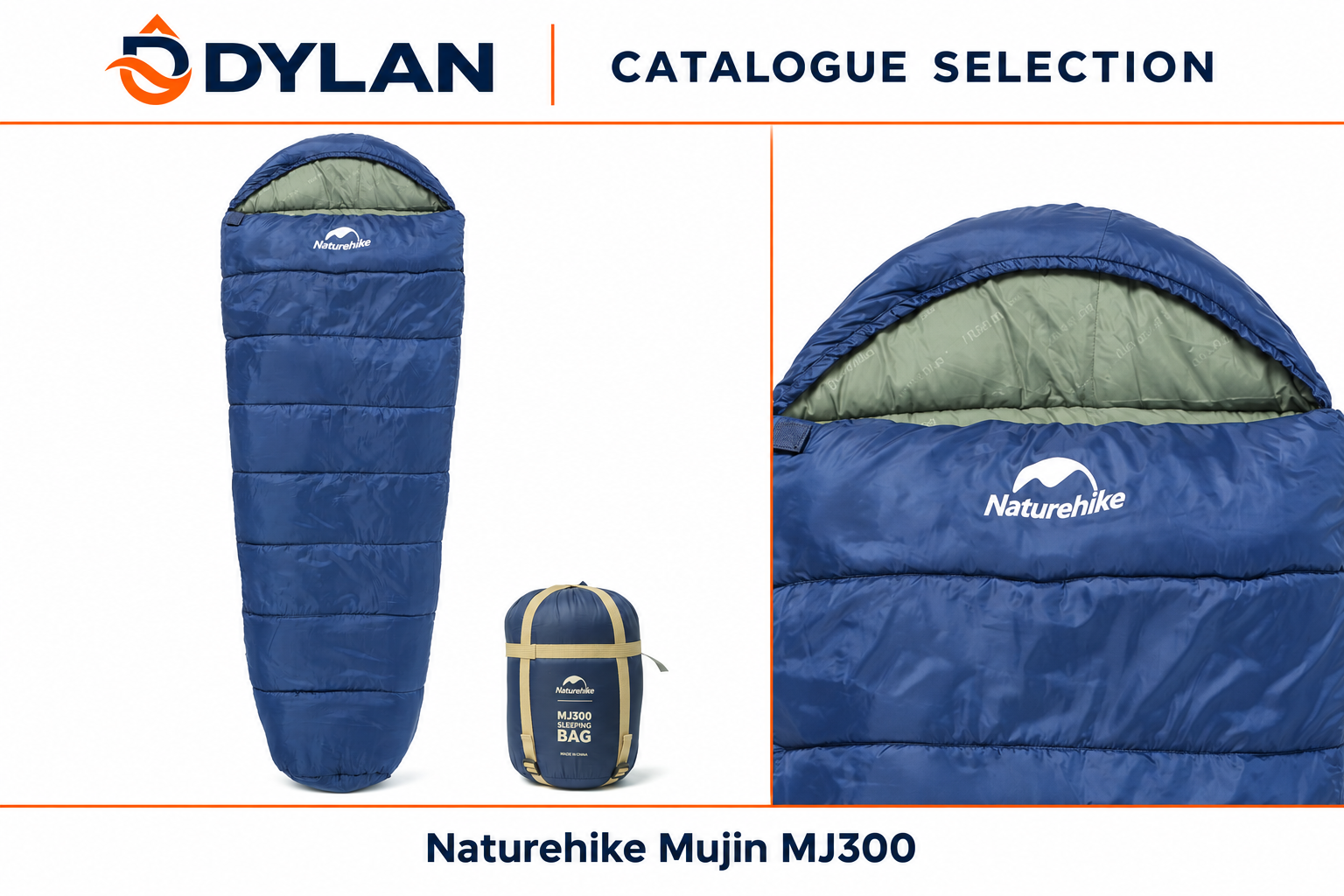
DYLAN’s camping catalogue lists Naturehike Mujin MJ300 Sleeping Bag (SHOP reference DYLAN Camping 064) and Naturehike SunTherm MS500 Sleeping Bag (DYLAN Camping 065). These are Naturehike products presented in the DYLAN catalogue; their manufacturer identity should remain visible.
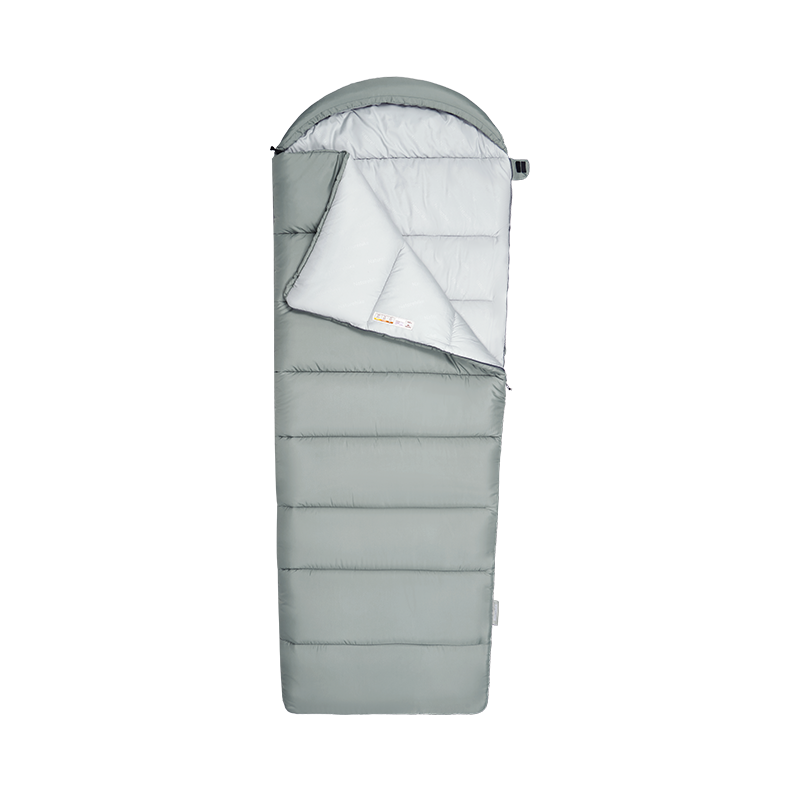
The MJ300 description confirms synthetic insulation, a hooded mummy profile with an adjustable opening and an included compression sack. The MS500 description confirms synthetic insulation and a fully opening zipper, allowing the bag to open flat for use as a camp blanket. The selected finish shown for the MS500 is gray.
Compare the buying decision, not the model numbers
The names MJ300 and MS500 are model identifiers. They should not be interpreted as temperature ratings or treated as proof of fill weight. The reviewed DYLAN entries do not provide enough information to compare tested thermal performance, product weight, dimensions or packed volume.
| Customer question | MJ300: documented starting point | MS500: documented starting point |
|---|---|---|
| “What shape will I be sleeping in?” | Hooded mummy profile | A bag that can open flat; verify usable sleeping dimensions |
| “Can it serve as a camp blanket?” | No blanket-mode claim in the reviewed listing | Opening flat for camp-blanket use is explicitly described |
| “What comes with it?” | Compression sack included | Confirm the supplied bag, accessories and retail contents |
| “How warm or compact is it?” | Request model-specific thermal evidence, weight and packed measurements | Request the same evidence; do not rank by name or shape |
Make each format earn its place in the range
MJ300: explain the profile and the packing routine
A display can show the mummy outline, hood opening and supplied sack clearly. Let the customer understand the shape before discussing suitability. For a buyer sample review, check the manufacturer’s instructions, the usable dimensions and how staff will explain packing and storage. The presence of a compression sack does not by itself establish a particular packed volume.
MS500: demonstrate the open-flat function
The alternative story is flexibility of format. Ask for a sample demonstration of the full opening function and the instructions for returning it to sleeping-bag use. Show that operation accurately in the retail product page or staff guide once confirmed. Do not create an image of the opened bag by guessing the hidden construction.
This can make the two choices easier to explain: one catalogue entry emphasizes a mummy profile and supplied sack; the other explicitly offers an open-flat use. Whether either belongs in a particular customer’s trip depends on information beyond those features.
Run a useful sample review before writing shelf copy
Ask the supplier to identify each sample by model and variant. Record the instructions supplied with it, the actual pack contents and any differences from the approved catalogue photographs. Keep measurements and supplier claims in separate fields so a staff observation does not become a tested performance claim.
- Confirm usable dimensions and intended-user guidance for each model.
- Request model-specific temperature information and its supporting test documentation before using a temperature claim.
- Confirm weight and packed dimensions if your product comparison will discuss carrying or storage.
- Check zipper operation and the supplied care instructions using the approved sample.
- Agree accurate photos, manufacturer naming and market-appropriate customer information.
Write shelf messages that remain true
For the MJ300, “synthetic mummy sleeping bag with compression sack” stays within the reviewed description. For the MS500, “synthetic sleeping bag that opens flat as a camp blanket” explains the documented format. Avoid “winter”, “ultralight”, “warmer” or a specific temperature until the relevant model evidence supports the wording.
Use customer questions and subsequent sales records to judge whether both formats deserve space. Record whether a sale was driven by shape, open-flat use or another confirmed requirement. This gives the next assortment review a useful explanation of demand instead of relying only on aggregate sales.
Buyer questions
Is a mummy bag automatically warmer than an open-flat bag?
The listed shape does not establish a comparative temperature rating. Use comparable model-specific evidence before making a warmth claim.
Can the MS500 be pictured fully opened in our retail listing?
Request a verified image of the actual model in that configuration and permission to use it. The current partial-opening image does not reveal every detail of the fully opened product.
Are these DYLAN-manufactured sleeping bags?
The catalogue identifies both as Naturehike products. DYLAN is the enquiry and catalogue context here; this article does not establish manufacturing ownership or authorised-distributor status.