Outdoor Field Guides
Day Hiking Packing List: What to Bring and Where It Goes
Build a practical day-hiking packing list, organise essentials for easy access and check your bag against the route. A clear guide for beginner hikers.
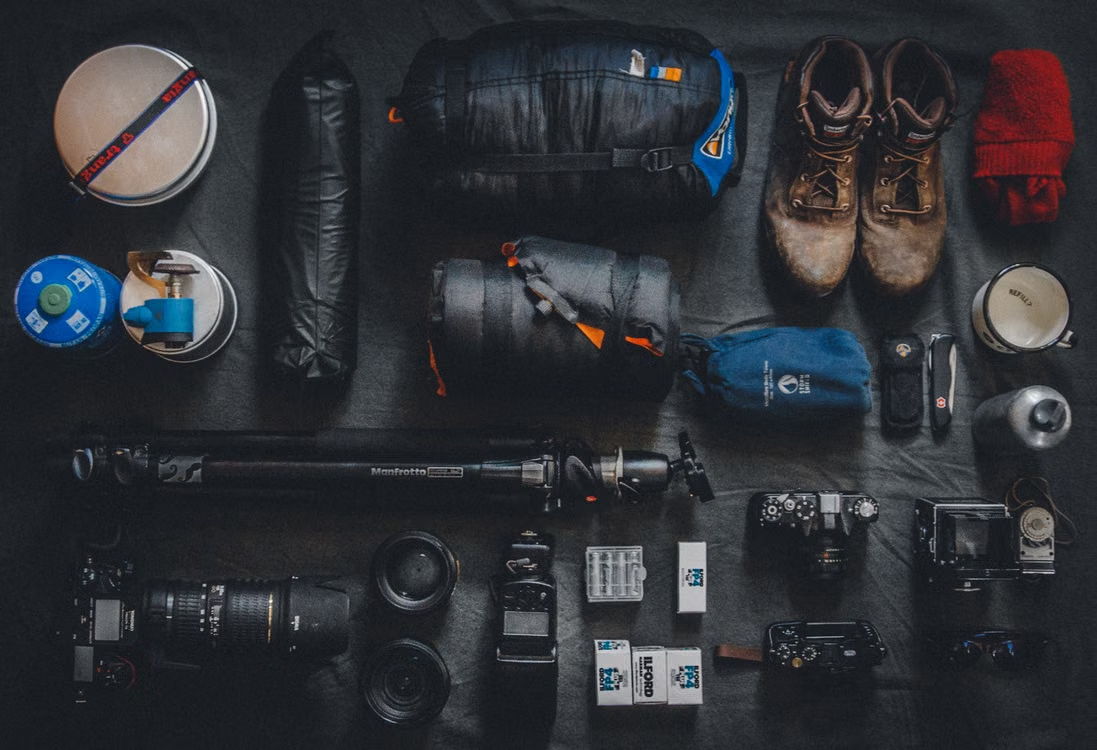
The best day hiking packing list is one you can explain. Each item should have a job, and the things you need during the walk should be easy to find. Begin with the route and forecast, then organise the bag around how the day will unfold. Avoid treating a photograph of someone else’s equipment as a complete checklist.
Lay the essentials out before choosing extras
Review navigation, light, sun protection, clothing, first aid, food, water and emergency needs for your destination. The National Park Service’s Ten Essentials is a useful starting framework, including repair supplies, appropriate fire-starting equipment and emergency shelter. Local rules and the environment determine what is suitable. Make a written list that separates essentials from optional comfort or photography items.
Give the pack three simple zones
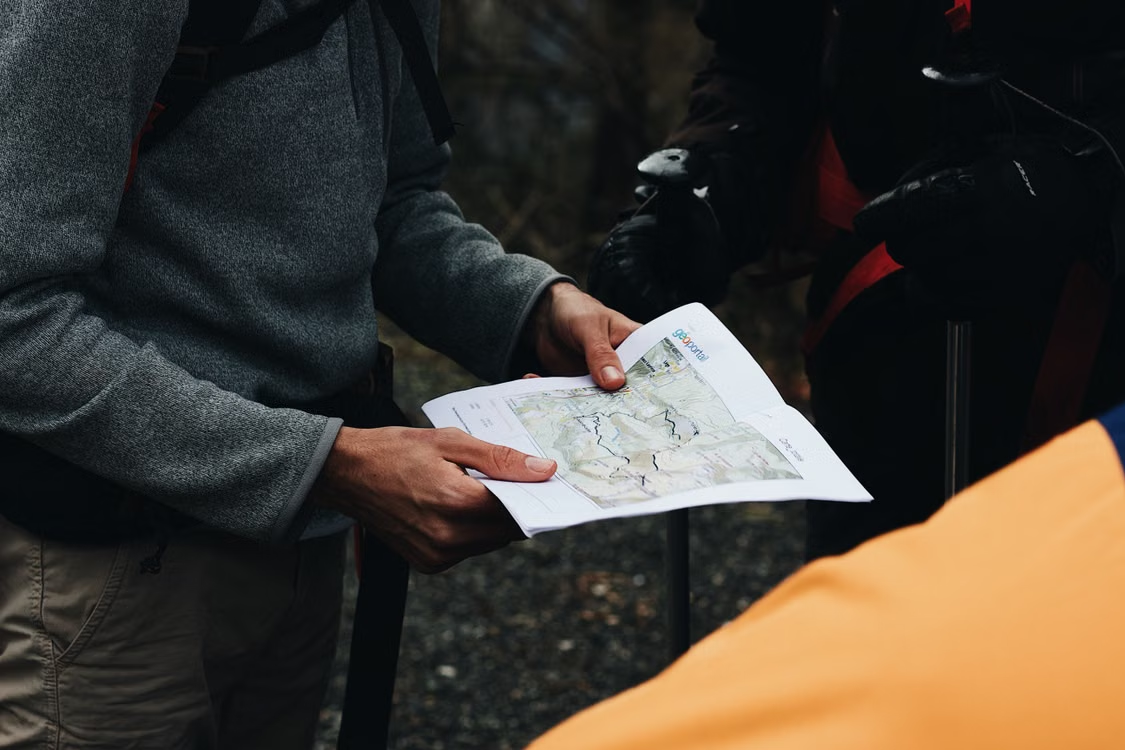
Use an easy-access zone for things such as a map, snack and extra layer. Keep the main load organised so it feels balanced, following the pack maker’s fitting guidance. Use a consistent protected place for items you hope not to need, such as emergency supplies, without burying them beyond reach. Small pouches can help, but too many separate containers can make a simple bag confusing.
Pack for interruptions, not just walking
Imagine arriving at a windy viewpoint, stopping for lunch and needing to change the plan. Which item would you reach for first in each situation? Put those items where you can retrieve them without spreading equipment across the trail. Keep waste separate from food. Secure loose straps and attachments so they do not swing or catch as you move.
Use a departure check and a return check
Before leaving, lift the packed bag and walk around with it. Adjust the fit and remove unnecessary duplicates, without discarding essentials just because they were unused last time. After the walk, replenish food and supplies, dry damp items and charge devices. Write down anything you repeatedly struggled to find. Your packing list should become clearer with experience rather than simply longer.
Frequently asked questions
What size backpack do I need for a day hike?
Choose capacity after laying out the equipment your route requires. Fit and access matter as well as volume; a different season or a family group may change what you carry.
Should I remove emergency gear if I never use it?
Not simply because it was unused. Review why it is included and whether the destination still requires it. Emergency items serve a different purpose from optional extras.
Continue your preparation
Browse the DYLAN Outdoor Field Guides for more ideas on route planning, packing and everyday trail skills.
Further reading: National Park Service — Ten Essentials. Check current local guidance for your destination. These editorial notes support preparation and do not replace practical instruction or professional advice.