
Water Adventures
Dock-Line Orders: Price and Count the Same Unit
Avoid dock-line order discrepancies by defining finished lines, retail packs and carton counts before comparing quotations.
A dock-line quotation can look complete while leaving a basic question unanswered: what does one unit buy? A finished line, a pair, a retail pack and a coil are different purchasing units. If the buyer counts one way and the supplier prices another, a correct-looking total can still produce the wrong delivery.
For marine retailers and distributors, the solution begins before price comparison. Define the physical item, the selling unit and the outer carton separately. Then make the quotation, purchase order and receiving checklist use the same definitions.
Use the DYLAN listing as a starting point, not a pack specification
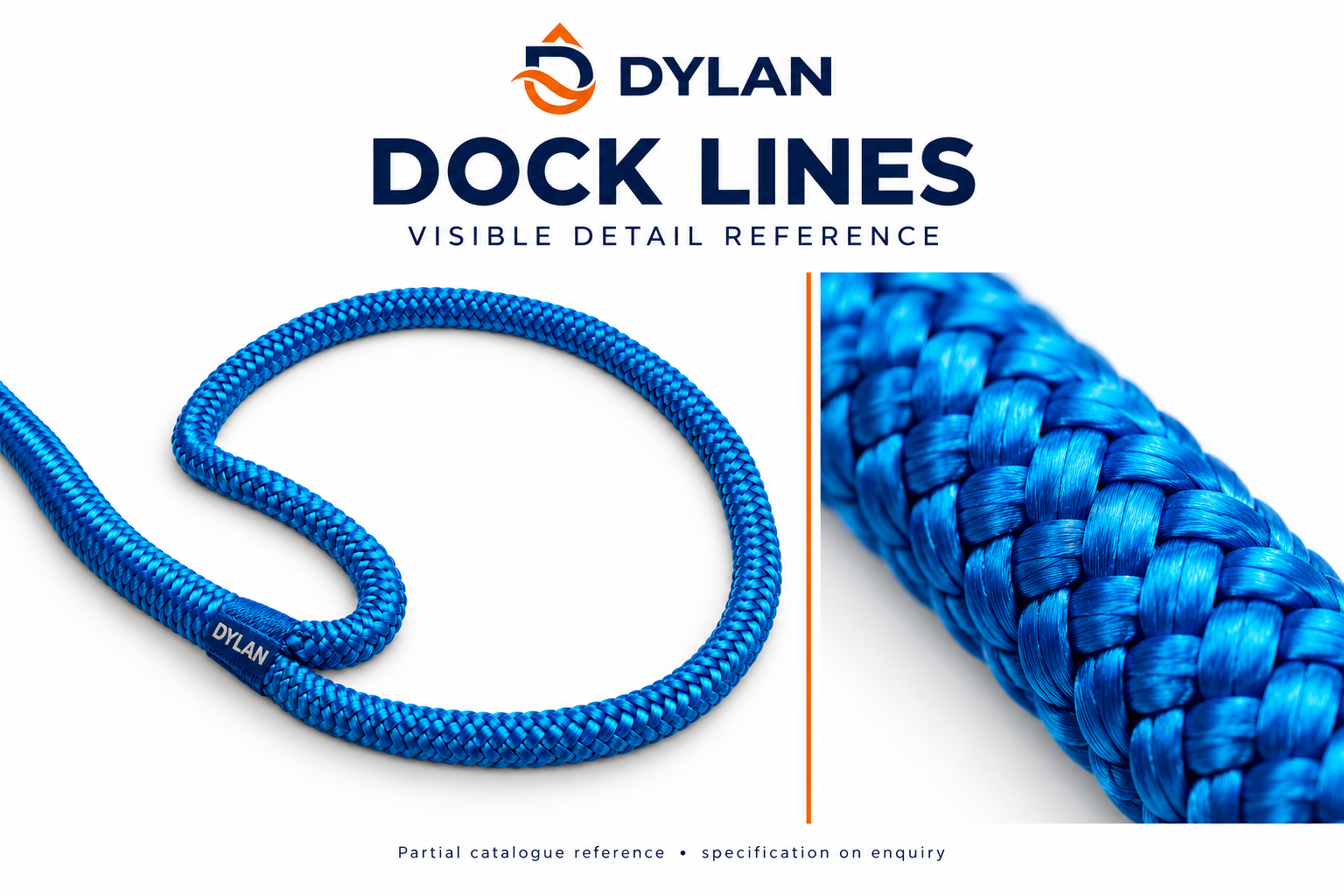
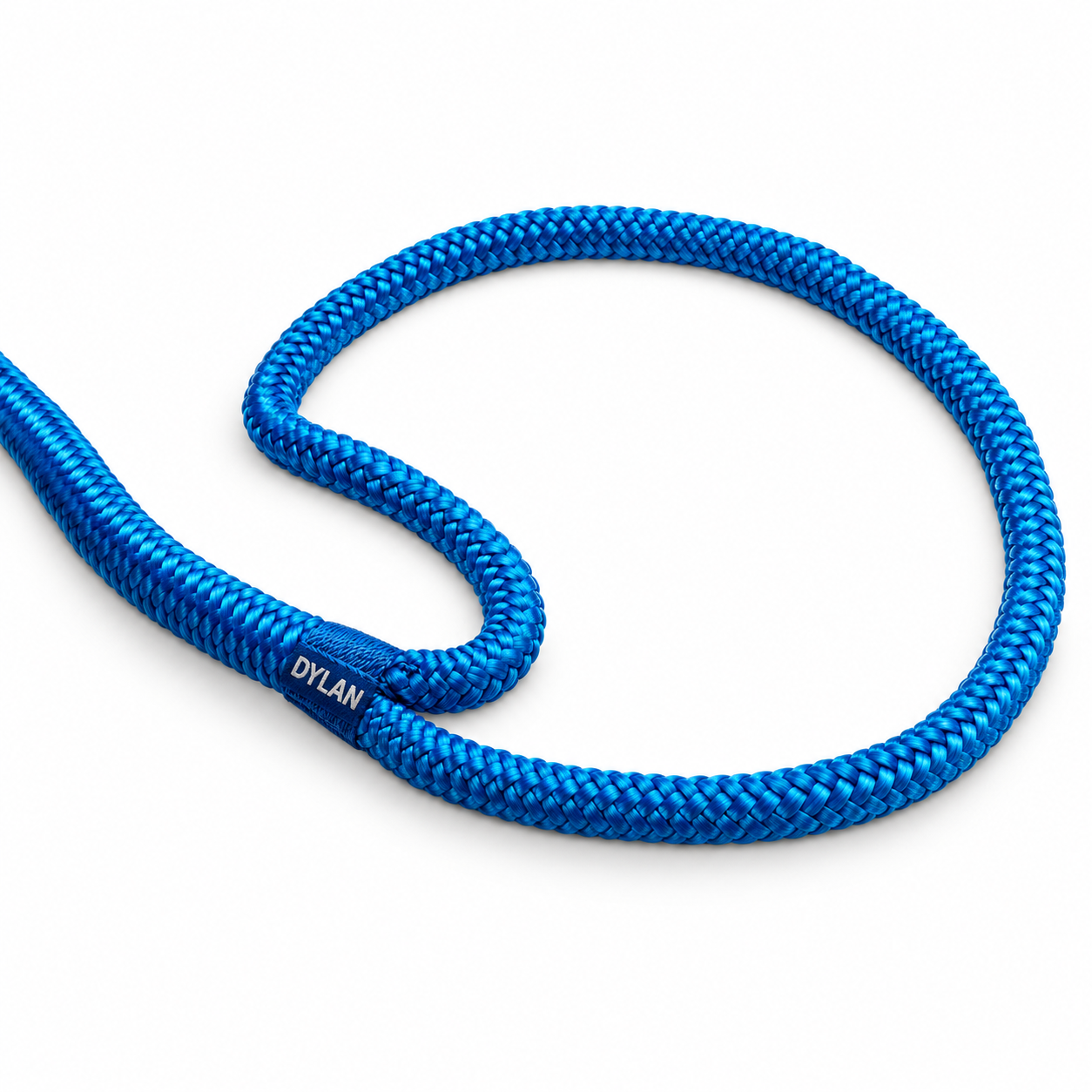
The public catalogue lists Dock Lines, identified in SHOP as DYLAN Marine 005, for securing a boat alongside a suitable berth. Its image is explicitly presented as a branding visualization adapted from a product reference.
The reviewed entry does not establish a supplied line length, diameter, approved material specification, load rating or retail-pack quantity. A reference photograph cannot answer those questions. Do not carry dimensions from a third-party reference into a DYLAN order without written confirmation.
Define the unit before comparing offers
Ask the supplier to complete one sentence: “The quoted price is for one ___ containing ___.” This forces the quote to connect a price to a countable delivery. For a finished line, also identify the agreed length definition and end configuration; for a coil, establish how supplied length is measured. These are questions to resolve, not confirmed supply options for the current listing.
| Possible quotation unit | What the buyer must clarify | Receiving check |
|---|---|---|
| One finished line | Length definition, end configuration and exact approved specification | Count individual lines and match each label to the agreed item |
| One pair or retail pack | Number of finished lines in a pack; whether both are identical | Check pack contents, not only the number of packages |
| One coil | Supplied length and whether finished ends or cutting are included | Match coil identification and the agreed length record |
| One outer carton | Retail units per carton and whether mixed variants are allowed | Reconcile cartons × retail units × lines per unit |
A simple arithmetic example
Suppose a hypothetical order contains 12 retail packs with two finished lines in each. The order contains 24 lines. If those 12 packs are divided equally between two cartons, each carton contains six retail packs. This example illustrates counting only: it is not a DYLAN packaging offer, minimum order quantity or price indication.
Write all three quantities on the packing instruction. “12 units” alone leaves too much room for interpretation. Likewise, a line total on an invoice is only meaningful when the unit beside the quantity is unambiguous.
Keep technical approval separate from commercial counting
A correctly counted order is not necessarily a suitable mooring system. The boat, berth and operating conditions still require an appropriate technical assessment. Ask a qualified marine professional or the responsible supplier to establish the required specification for the application; do not select rope diameter or length from this purchasing article.
Once that specification is agreed, attach its version to the commercial record. If a supplier proposes a material, construction or end-treatment change, review it as a product change even when the pack count stays the same.
Make mixed orders easier to receive and reorder
Give every approved variant its own line
List different lengths, colours or end configurations separately when they are confirmed. Each line should carry the model reference, buyer SKU, approved specification version, unit definition, quantity and destination. Avoid a single description such as “assorted dock ropes” unless the assortment itself is precisely documented.
Agree the carton marking before dispatch
Ask for the marking format that identifies the purchase order and the units inside. If mixed cartons are allowed, require a contents breakdown rather than assuming every carton is identical. The aim is to let receiving staff reconcile the delivery without opening every retail pack or interpreting a sales conversation.
- Quotation quantity and price use the same unit.
- Purchase order repeats the approved specification and end configuration.
- Packing list distinguishes cartons, retail packs and individual lines.
- Any substitution has a recorded buyer decision.
- Receiving discrepancies are reported against the same SKU and unit definition.
Buyer questions
Does a loop in the picture establish the finished line length?
No. The current reference is partial and does not establish the complete supplied line or its length measurement method.
Can two offers be compared by price alone?
Only after the approved specification and supply unit match. A price per pack cannot be compared directly with a price per individual line.
Is a pictured brand tag a confirmed packaging or private-label option?
No. Treat the image as the catalogue describes it: a branding visualization. Ask separately about the final product, labelling and packaging available for the proposed order.