Outdoor Field Guides
Hiking Foot Care: Boots, Socks and Blister Prevention
Prepare your feet for a day hike with practical boot-fit checks, sock choices and early responses to rubbing. Build comfort before the first long walk.
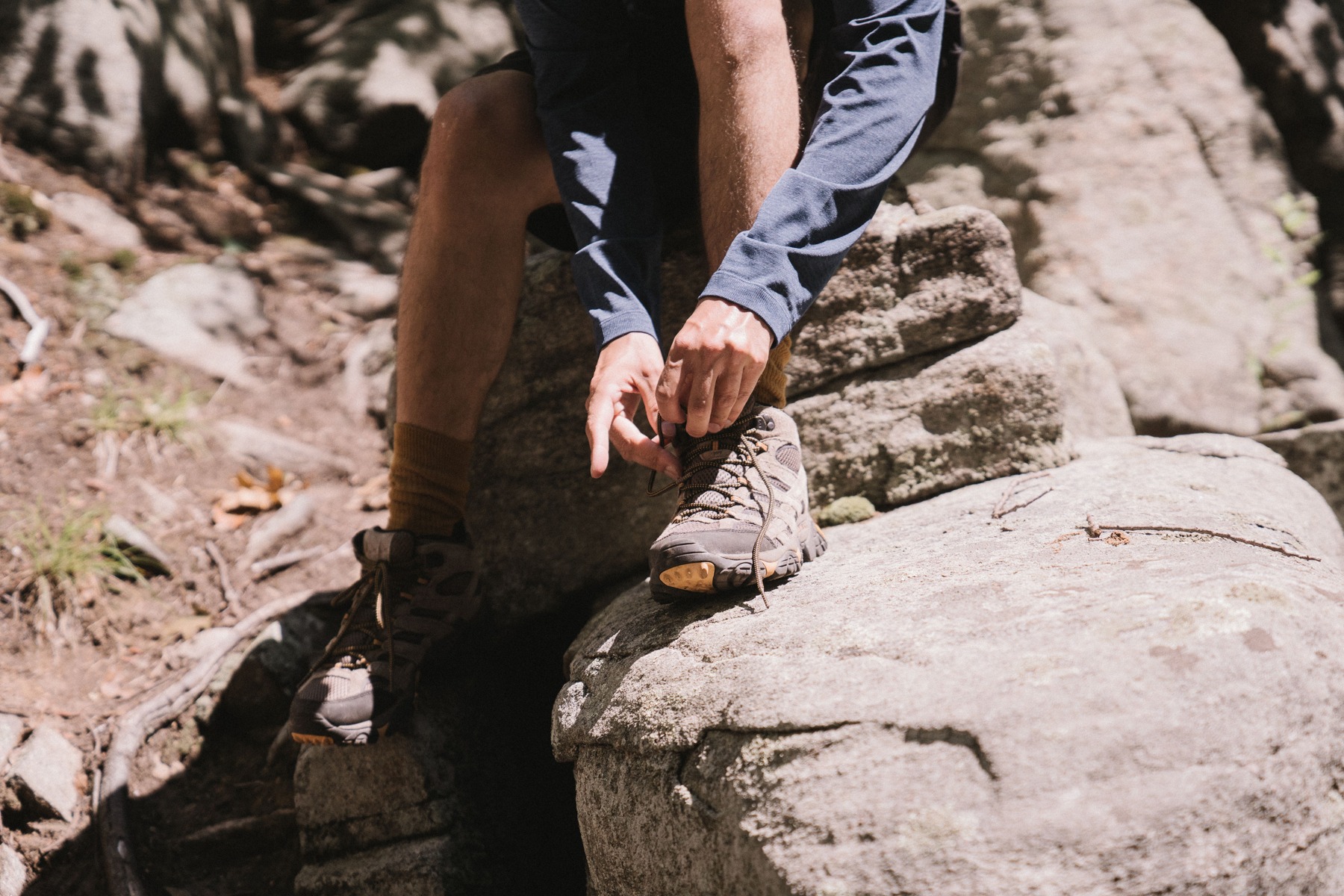
Comfortable feet make it easier to enjoy the route instead of counting the steps back to the car. Hiking foot care begins before the walk: familiar footwear, well-fitting socks and a willingness to stop when something starts to rub. No combination prevents every problem, but a few checks can reveal issues early.
Test the combination you will actually wear
Try your footwear with the socks and pack you expect to use. Walk on a shorter, easy route before committing to a long day. Notice whether your heel lifts, toes press forward on a descent or a seam creates a hot spot. A break-in period cannot correct a fundamentally poor fit. A footwear specialist can help you assess fit if you are unsure.
Give socks the same attention as shoes
Smooth out folds before setting off and make sure the sock does not bunch around the toes or heel. Wool and synthetic hiking socks are common options for managing moisture. Choose the thickness with your footwear in mind: a thicker sock can make a previously comfortable shoe feel tight. Pack a spare pair when the conditions or length of the walk make a change useful.
Stop at the first sign of rubbing
A small discomfort is a useful signal to pause. Check for grit, folded fabric or an overly tight lace before carrying on. REI’s blister guidance emphasises appropriate footwear and responding to hot spots early. Use blister-care products according to their instructions; do not experiment with unfamiliar treatment in the middle of a remote walk. If pain persists, shorten the outing and seek appropriate advice.
Build a small after-walk routine
When you get home, empty debris from your footwear and let everything dry according to the manufacturer’s care instructions. Note where you felt discomfort and what you changed. Keep those notes with your route log: a problem that appears only on steep descents may be easy to miss on a level test walk. Review fit again when changing insoles, socks or the type of walking you do.
Frequently asked questions
Are boots always better than hiking shoes?
The right choice depends on terrain, conditions, fit and your needs. Familiar footwear that suits the route matters more than choosing a category by appearance alone.
Should I walk through a hot spot?
Pause early and identify the cause. Continuing to rub the same area can make the problem worse. Adjust your plan if the discomfort does not settle.
Continue your preparation
Browse the DYLAN Outdoor Field Guides for more ideas on route planning, packing and everyday trail skills.
Further reading: REI — Blister Prevention and Care. Check current local guidance for your destination. These editorial notes support preparation and do not replace practical instruction or professional advice.