Outdoor Field Guides
Hiking Hydration: How to Plan Water for a Day Hike
Build a hiking water plan around your route, weather and refill options. Learn what to check before relying on a spring, stream or water-treatment system.
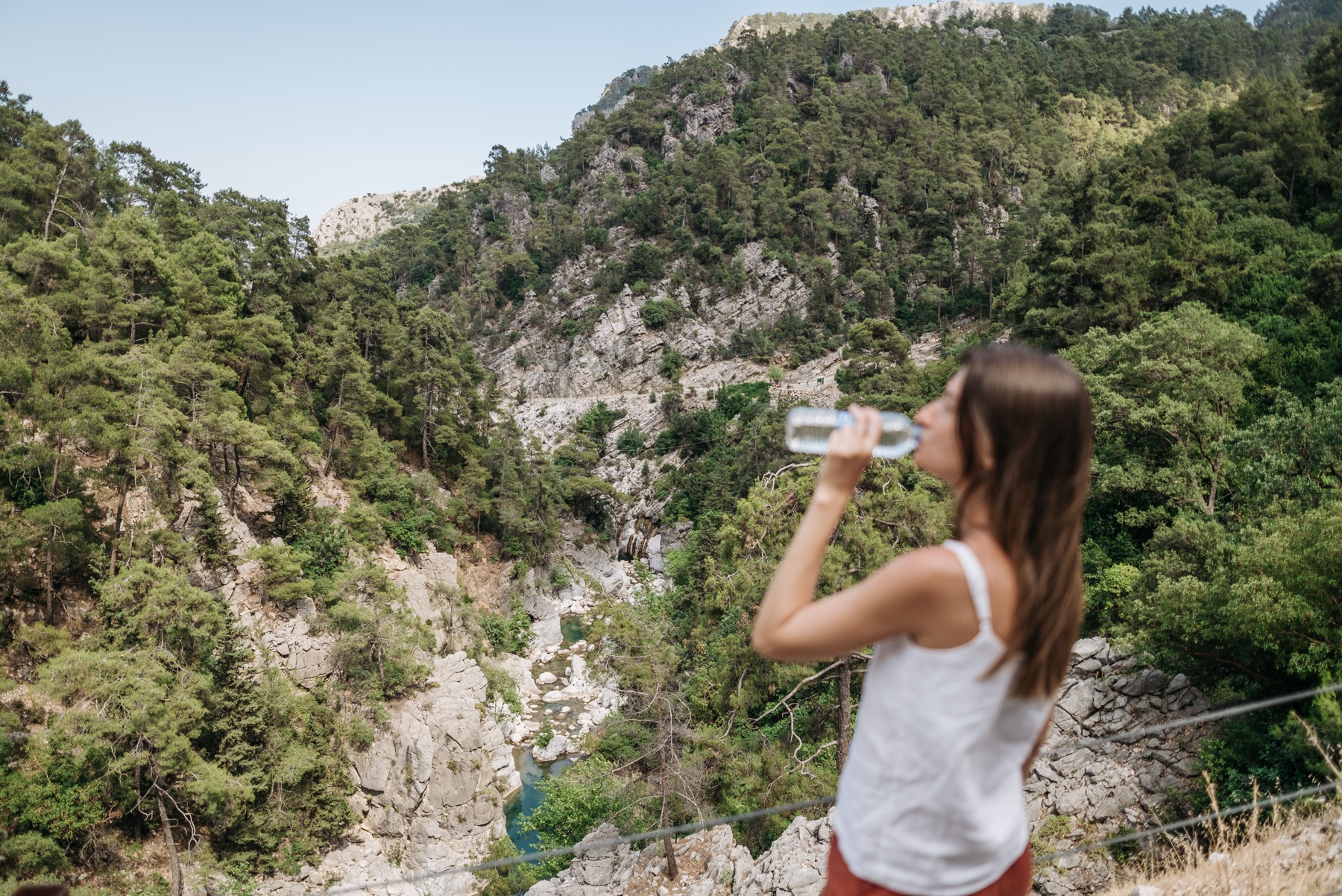
A bottle is a container; a water plan explains how you will have drinking water throughout the day. Hiking hydration starts with the route, expected conditions and the people walking with you. There is no single bottle size that fits every hike, so make the decision before leaving the trailhead.
Start with the day you are actually planning
Consider walking time, effort, heat, sun exposure and possible delays. Read the destination’s current advice and check whether any advertised drinking-water points are operating. Make a note of which water you will carry from the start and which refill points are confirmed. An unverified spring should not be the detail that makes an otherwise unrealistic route appear possible.
Make drinking water easy to reach
Pack bottles or a reservoir where you can use them without completely unloading the bag. Test closures and drinking tubes at home. If you walk with others, discuss individual supplies instead of assuming that one large container will solve the whole group’s needs. Include drinking breaks in the rhythm of the walk and revise the route if your available supply no longer fits the day.
Treat natural water as a separate decision
Clear water can contain germs. The CDC advises treating water when its safety is uncertain; boiling is the most reliable way to kill germs, with filtration followed by disinfection as the next option when boiling is not possible. Follow product instructions, including required contact times. Treatment for germs does not make chemically contaminated water safe. Check local warnings and choose another source if contamination is suspected.
Plan the fallback before you need it
Ask yourself what you will do if a tap is closed, a stream is dry or a bottle is damaged. The answer may be carrying more from the start, choosing a shorter route or turning back at an earlier point. Keep your treatment equipment accessible if your plan requires it, and practise using the actual model before the trip. A device still in its packaging is not a tested routine.
Frequently asked questions
How much water should I take hiking?
Use current local guidance and your expected duration, conditions and personal needs to plan the amount. Do not treat a generic hourly estimate as a guarantee for every person or route.
Can I drink from a clear mountain stream?
Clarity does not establish safety. Follow local advice and use an appropriate treatment process when the water’s safety is uncertain.
Continue your preparation
Browse the DYLAN Outdoor Field Guides for more ideas on route planning, packing and everyday trail skills.
Further reading: CDC — Water Treatment When Hiking and Camping. Check current local guidance for your destination. These editorial notes support preparation and do not replace practical instruction or professional advice.