Outdoor Field Guides
How to Plan a Day Hike: A Beginner’s Route Checklist
Plan a day hike with a practical checklist for route choice, elevation, daylight, offline maps and a clear turnaround plan. Read the DYLAN field guide.
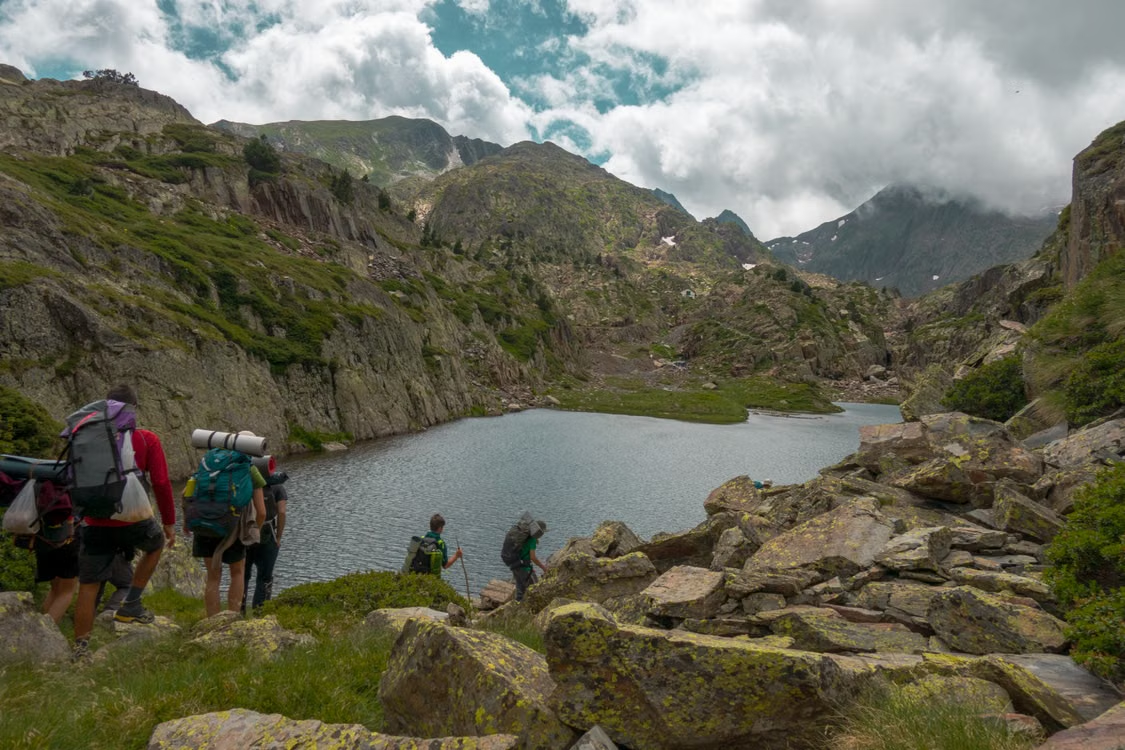
A good day hike begins with a route you understand, not just a viewpoint you want to reach. This beginner hiking checklist helps you turn a promising trail into a plan that fits your time, experience and group. Use it for ordinary walking trails; technical mountain terrain needs additional skills and preparation.
Choose the whole walk, not just the destination
Read the route in both directions. Note the total distance, elevation gain, surface and any exposed sections. A short steep trail may demand more effort than a longer level path. Check the land manager’s current notices for closures, access rules and seasonal conditions before relying on a saved route. Choose a shorter alternative at the same destination so changing the plan feels easy.
Put your day on a simple timeline
Write down when you intend to leave, reach a sensible decision point and return. Add time for travel, finding the trailhead, food, photographs and slower sections. Then choose a turnaround time: a moment when you head back even if the viewpoint is still ahead. The point is to protect the return journey from becoming an afterthought. Share the plan and overdue arrangements with someone who is staying behind.
Make the route usable without a signal
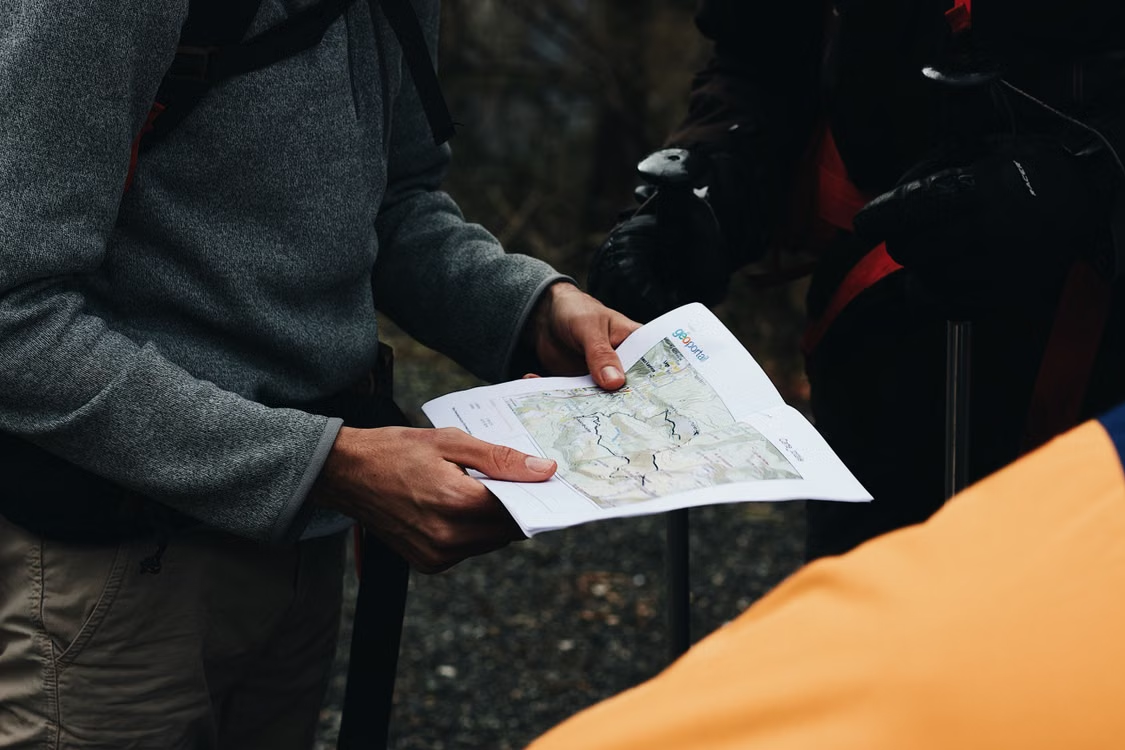
Download the map before leaving home and open it with connectivity disabled to check it is available. Carry an appropriate backup and know how to use it. In your own notes, identify the start, major junctions and the planned return route. A screenshot of a scenic section is less useful than a map that shows how the paths connect. Keep the phone powered and accessible without making it your only plan.
Use a trailhead decision, not a commitment
At the start, compare the actual weather and ground with your plan. Ask each person how they feel about the day. If an important assumption has changed, choose the shorter option or another activity. On the walk, pause at junctions before the group spreads out. Your route notes should help you make decisions, rather than pressure you into completing a particular line on a map.
Frequently asked questions
How long should a first day hike be?
Choose a walk comfortably within your current ability, with a straightforward return. Distance alone does not describe difficulty: consider ascent, surface, weather and how much you will carry.
Is a hiking app enough for navigation?
An app is useful, but batteries, reception and devices can fail. Prepare a backup you can use and practise interpreting the route before you need it.
Continue your preparation
Browse the DYLAN Outdoor Field Guides for more ideas on route planning, packing and everyday trail skills.
Further reading: National Park Service — Hike Smart. Check current local guidance for your destination. These editorial notes support preparation and do not replace practical instruction or professional advice.