Water Adventures
How to Read Waves: A Beginner’s Surfing Guide
Learn what to observe from shore before a beginner surf session, from breaking waves and crowds to choosing a suitable lesson area.
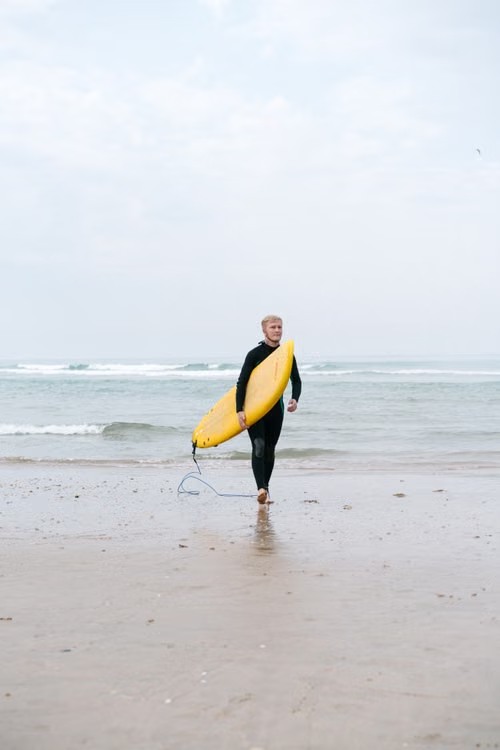
Learn what to observe from shore before a beginner surf session, from breaking waves and crowds to choosing a suitable lesson area.
Start with observation, not a wave forecast
Reading waves begins before your board touches the water. Watch several sets from the beach and notice where waves begin to break, where people enter and where they finish their rides. A single quiet minute can hide a much busier pattern. Treat a forecast as a planning tool rather than permission to enter: the beach in front of you matters more than a number on a screen.
Choose a learning area with local advice
For a first session, ask a qualified surf instructor to choose the location and explain its boundaries. An empty stretch of water is not automatically the best place to practise. Local hazards, currents, the seabed and other water users can change the decision. RNLI guidance recommends checking conditions and keeping the session within your ability. If the instructor changes the plan, make that flexibility part of the lesson.
Keep a short session notebook
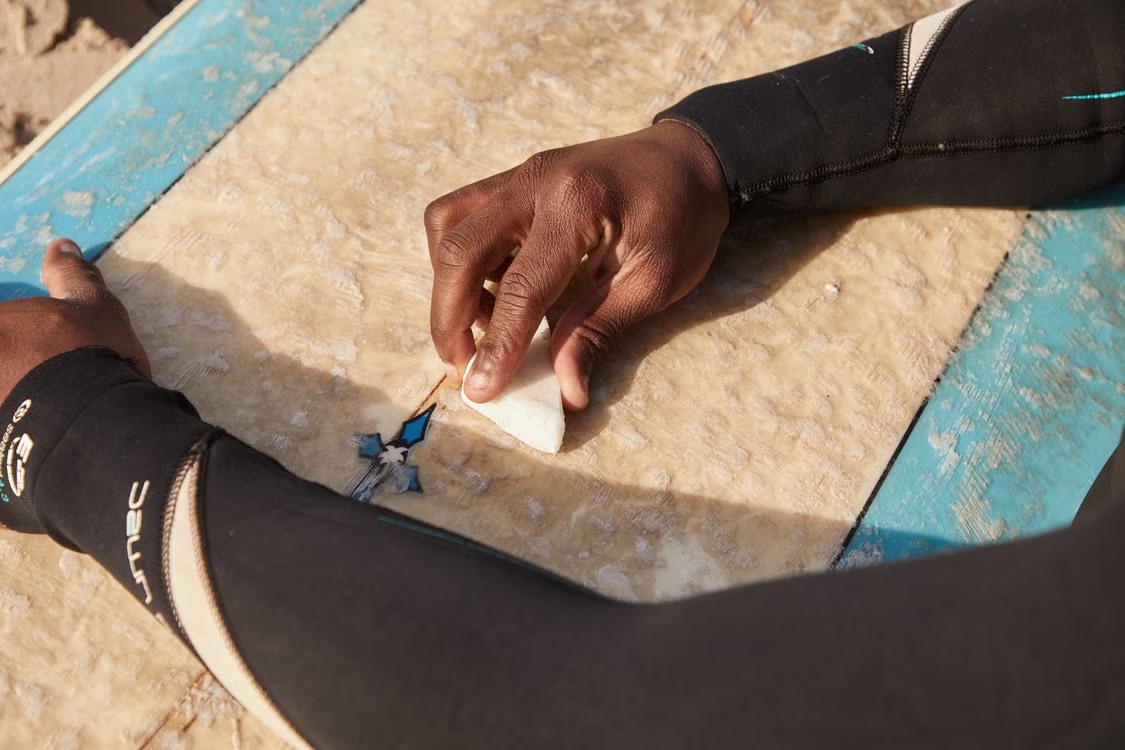
After your lesson, write down the beach, approximate tide stage, wind direction and what you observed. Record the instructor’s explanation of why that area worked for you. Over time, these notes help you connect a forecast with real observations without pretending that every beach behaves alike. A useful goal is to recognise when to ask for help, not to predict every wave.
Your quick checklist
- Observe several sets from shore.
- Ask where beginners should practise today.
- Agree on the session area and exit point.
Does a smaller forecast guarantee easy surf?
No. Local conditions and hazards still matter. Get advice at the beach and be willing to stay ashore.
Continue exploring
Beginner Surf Gear Checklist: Board, Leash and Wetsuit · All Water Adventures articles
Further preparation: RNLI surfing guidance. Adapt these general field notes to current local conditions and your experience.