Outdoor Field Guides
Low-Impact Hiking: Simple Habits for a Cleaner Trail
Make low-impact hiking part of your routine with practical ideas for trail choice, litter, wildlife and shared spaces. Leave a lighter trace with DYLAN.
Low-impact hiking is made up of ordinary choices: where you step, what you carry home and how you share the path. It does not require a perfect adventure. It starts with noticing that the trail is also a habitat, a workplace and a place other people have come to enjoy.
Let local guidance shape the day
Read the destination’s rules before choosing your route. Seasonal closures, dog restrictions and designated paths exist for reasons that may not be obvious from a photograph. Staying on established routes helps avoid adding new tracks through sensitive ground. If a path is closed or conditions make your plan unsuitable, choose another walk rather than creating a detour through vegetation.
Plan for what comes back with you
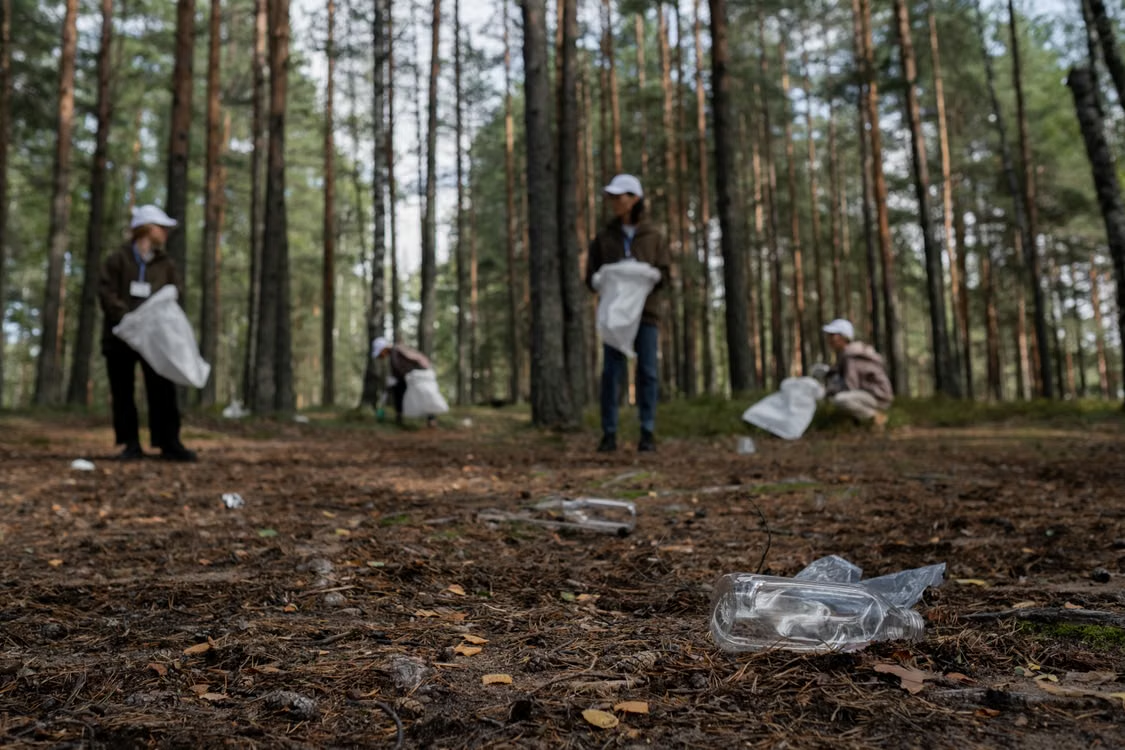
Include a small waste bag in the same packing routine as your lunch. Take home wrappers, food scraps and used personal items. Repacking snacks at home can make rubbish easier to manage on the trail. If you see litter, collect it only when it is safe and appropriate; leave sharp, hazardous or unidentified materials alone and report them to the responsible land manager.
Give wildlife and other visitors room
Observe animals from a distance and never offer food. Follow local instructions on wildlife encounters and food storage rather than treating every place the same. Keep voices and audio considerate around other walkers. Pause somewhere that leaves the route clear when adjusting a pack or taking a photograph. On narrow sections, communicate calmly and make space where it is safe to do so.
Make a leaving check your last camp habit
Before moving on from a rest stop, look over the space you used. Check under the pack and around where you sat for small items. Leave plants, rocks and historical objects where they belong. Use designated toilet facilities where available and learn the area’s waste rules before a trip. Different environments have different requirements, so one remembered rule is not enough everywhere.

Frequently asked questions
Do fruit peels count as litter?
Yes. Pack out food scraps rather than assuming they belong in the local environment. They can attract animals and remain visible long after your visit.
Where can I learn more about responsible hiking?
Leave No Trace provides detailed outdoor-ethics education. Combine that guidance with the current rules of the specific park, trail or campsite you are visiting.
Continue your preparation
Browse the DYLAN Outdoor Field Guides for more ideas on route planning, packing and everyday trail skills.
Further reading: Leave No Trace — Outdoor Ethics and the Seven Principles. Check current local guidance for your destination. These editorial notes support preparation and do not replace practical instruction or professional advice.