Outdoor Field Guides
What to Wear Hiking: A Simple Layering Guide
Understand base, mid and outer layers for hiking. Plan clothing for changing weather, uphill effort and rest stops with this practical DYLAN guide.
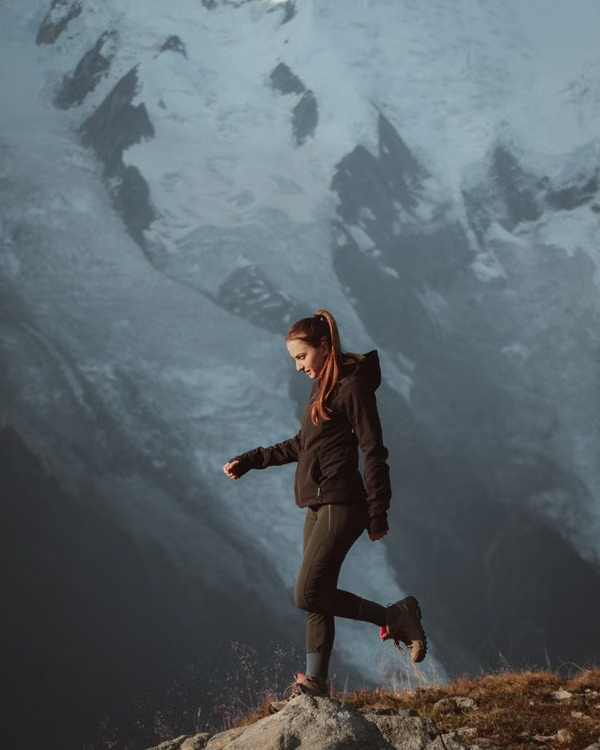
What to wear hiking depends on more than the temperature at the car park. Wind, exposure, rain, effort and long stops can make the same day feel very different. A layering system gives you options: adjust a few familiar pieces rather than relying on one outfit to work from start to finish.
Understand the job of each layer
A base layer sits next to your skin and helps manage moisture. A middle layer provides insulation, while an outer layer deals with the conditions around you. REI’s layering guidance explains these roles as a flexible system rather than a requirement to wear everything at once. Choose pieces that fit together comfortably and let you move your arms and shoulders with the pack on.
Plan for the coldest part of the outing
Read the forecast for the area and elevation you will visit, not just the nearest town. Think about an exposed viewpoint or a longer-than-planned stop. Set out the layer you expect to wear while moving and the additional pieces you may need while resting. Keep your spare clothing protected in the pack and accessible when the conditions change.
Adjust before discomfort takes over
On an uphill section, pause to adjust clothing if you are getting too warm. Before a long rest, consider adding insulation while you are still comfortable. Practise opening vents, changing a layer and putting it away with your own bag; this is a useful routine to learn on an easy walk. Avoid leaving clothing changes until everyone is cold, tired or waiting in an exposed place.
Build a repeatable clothing note
After each walk, record the weather, the pieces you wore and what stayed in the pack. Note how the system felt while climbing and while standing still. Use that information when planning a similar route, but still check the new forecast. A familiar system is easier to adjust than an entirely new set of clothing introduced on an ambitious day out.
Frequently asked questions
Do I need to wear all three layers at once?
No. The system gives you options to add or remove clothing as conditions and effort change. What you carry should reflect the whole outing, including stops and delays.
Can everyday clothing work for hiking?
Some familiar clothing may suit a short, easy walk in settled conditions. Consider moisture, temperature, movement and the forecast; seek specialist advice for demanding or cold environments.
Continue your preparation
Browse the DYLAN Outdoor Field Guides for more ideas on route planning, packing and everyday trail skills.
Further reading: REI — Layering Basics. Check current local guidance for your destination. These editorial notes support preparation and do not replace practical instruction or professional advice.