Six practical guides to your first ski trip, equipment, warm-up, controlled stopping and turning, slope etiquette and getting help. Build the basics with qualified instruction, one session at a time.
06 PRACTICAL SKIING GUIDESPREPARE · CHECK · KNOW WHEN TO STOPFROM FIRST LESSON TO FINAL RUN
Learn the basics. Build good habits.
Work through preparation first, then practise movement with an instructor. Every module pairs a photograph with actions, a readiness check and a reason to pause. Open the full article for detailed steps, common questions and further learning.
Start with recognised instruction. These guides cover beginner alpine skiing on open, managed resort slopes. They complement qualified on-snow instruction and local resort rules. They do not teach off-piste travel or avalanche skills. Photographs illustrate the topics and are not step-by-step technique demonstrations.
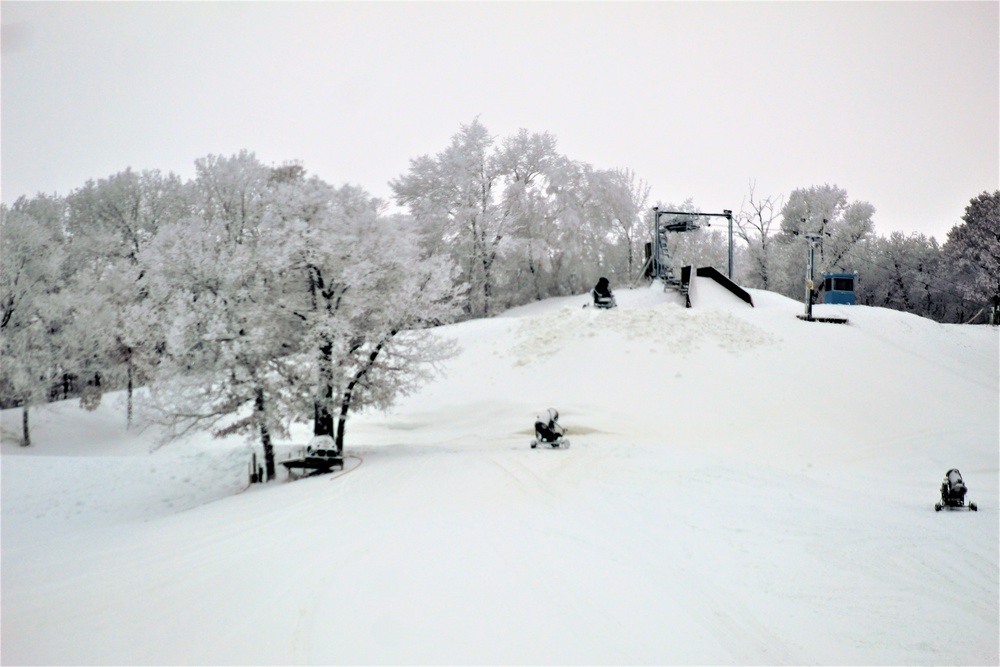
Whitetail Ridge Ski Area. Photo: Scott T. Sturkol / U.S. Army, public domain. Photo source ↗
01 / PLAN YOUR FIRST DAY
Beginner Skiing: Your First Ski Trip Checklist
A good first ski day starts before you reach the snow. Choose suitable terrain, book instruction and leave enough time for rental fitting, breaks and a calm journey home.
Book a beginner alpine ski lesson and confirm the meeting point, arrival time and what your package includes.
Check the resort forecast, open beginner areas, lift status and road conditions; agree a meeting point and finish time.
Save the local piste map and ski-patrol number. Pack food, water, protection from sun and cold, and a charged phone.
CHECK BEFORE CONTINUINGYou can explain where your lesson starts, which practice area is suitable and how you will get back without using a harder run.
STOP & REASSESSChange the plan if the learner area is closed, visibility is poor, travel is unsafe or anyone feels unwell or pressured to keep up.
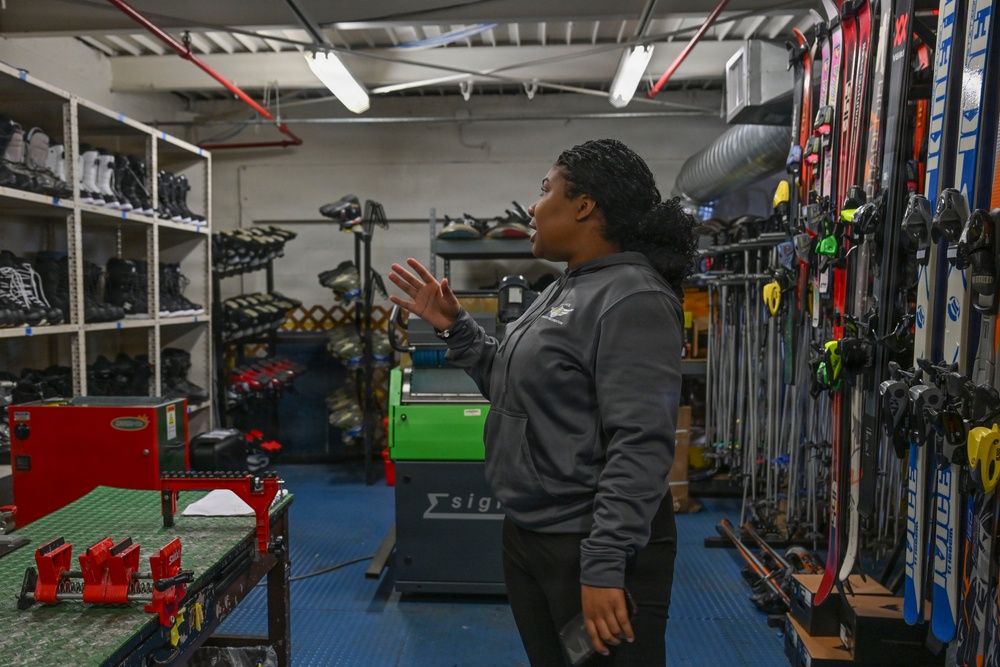
Winter-equipment rental preparation. Photo: Geneva Nguyen / U.S. Air Force, public domain. Photo source ↗
02 / EQUIPMENT & CLOTHING
Ski Gear for Beginners: Fit, Layers and Daily Checks
Ski gear for beginners should fit the person and the conditions. Start with a professional rental fitting, then organise clothing so you can stay dry, move freely and adjust warmth during the day.
Have a qualified ski technician fit the boots, skis and compatible bindings; give accurate information about your size and ability.
Wear one suitable pair of ski socks and check that boots are secure without numbness or sharp pressure.
Use moisture-managing base layers, an insulating mid layer and a weather-protective outer layer; check helmet and goggle fit together.
CHECK BEFORE CONTINUINGYou can flex and move comfortably, see clearly through the goggles, and identify the rental desk to return to if fit or equipment changes.
STOP & REASSESSReturn to the technician for pain, numbness, damaged equipment or a binding problem. Do not solve these by changing binding settings yourself.
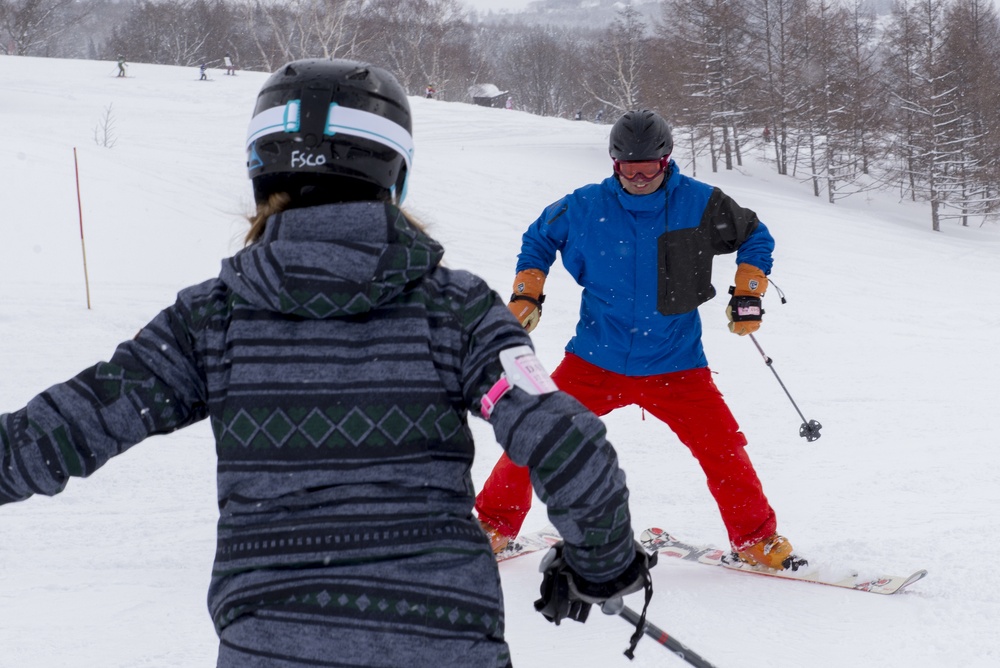
Learn with feedback. Photo: Donald Hudson / U.S. Air Force, public domain. Topic illustration, not a warm-up demonstration. Photo source ↗
03 / WARM UP & FIND BALANCE
Ski Warm-Up Exercises and a Balanced Beginner Stance
A ski warm-up is a gradual transition from travel to movement. Prepare on a stable surface, use comfortable movement ranges and start skiing on easy terrain with an instructor watching your balance.
Raise your temperature with a few minutes of easy walking or marching in a safe, level place away from moving skiers.
Add gentle shoulder rolls and small, controlled bends through ankles, knees and hips; keep the movements comfortable.
With your instructor, find a centred stance, then use short easy glides to check balance before increasing the challenge.
CHECK BEFORE CONTINUINGYou feel warm rather than tired, can breathe comfortably and can make small balanced movements without pain.
STOP & REASSESSStop for sharp pain, dizziness, unusual breathlessness or instability. If you are unsure what exercise is suitable for a health condition or injury, seek individual advice.
Supervised skiing practice. Photo: Donald Hudson / U.S. Air Force, public domain. Copy the instructor’s teaching, not a still photograph. Photo source ↗
04 / CONTROL SPEED & DIRECTION
How to Stop on Skis and Start Snowplough Turns
Learning how to stop on skis comes before choosing a longer run. Practise the snowplough, also called a wedge, on very gentle teaching terrain with a clear runout and a qualified instructor.
Identify the practice boundary and stopping area with your instructor before starting each glide.
Learn a small wedge on the flat: tips closer, tails wider and skis not crossed. Keep a balanced, flexible stance.
Practise short glides, controlled stops and then turns in both directions. Change terrain only when your instructor agrees.
CHECK BEFORE CONTINUINGYou can repeat a controlled stop within the agreed area and finish easy turns in both directions without relying on someone to catch you.
STOP & REASSESSReturn to simpler terrain if speed builds unexpectedly, the skis cross repeatedly, you cannot stop where intended or fear prevents you from following instructions.
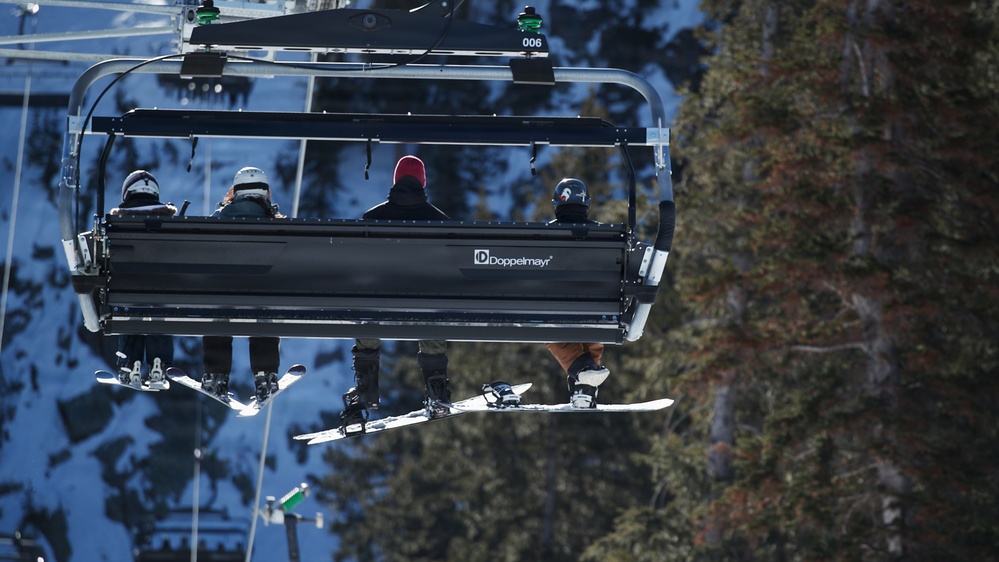
Chairlift at Brighton Resort. Photo: Travis Weger / U.S. Forest Service, public domain. Photo source ↗
05 / SHARE THE SLOPE
Ski Slope Safety and Chairlift Basics
Ski slope safety depends on predictable decisions around other people. Know the resort’s rules, choose a visible place to pause and ask for lift assistance before entering the loading area.
Keep enough control and space to avoid people downhill. Look uphill and yield before starting or joining a run.
Stop where you can be seen from above, clear of narrow passages, junctions and lift exits. Respect signs and closures.
Tell the lift attendant you are a beginner. Follow their loading, bar and unloading instructions for that particular lift.
CHECK BEFORE CONTINUINGYou know the descent served by the lift, the local signs, a visible regrouping place and how to ask staff for help.
STOP & REASSESSDo not board a lift if you cannot manage its descent or do not understand the loading procedure. Do not follow others into a closed area.
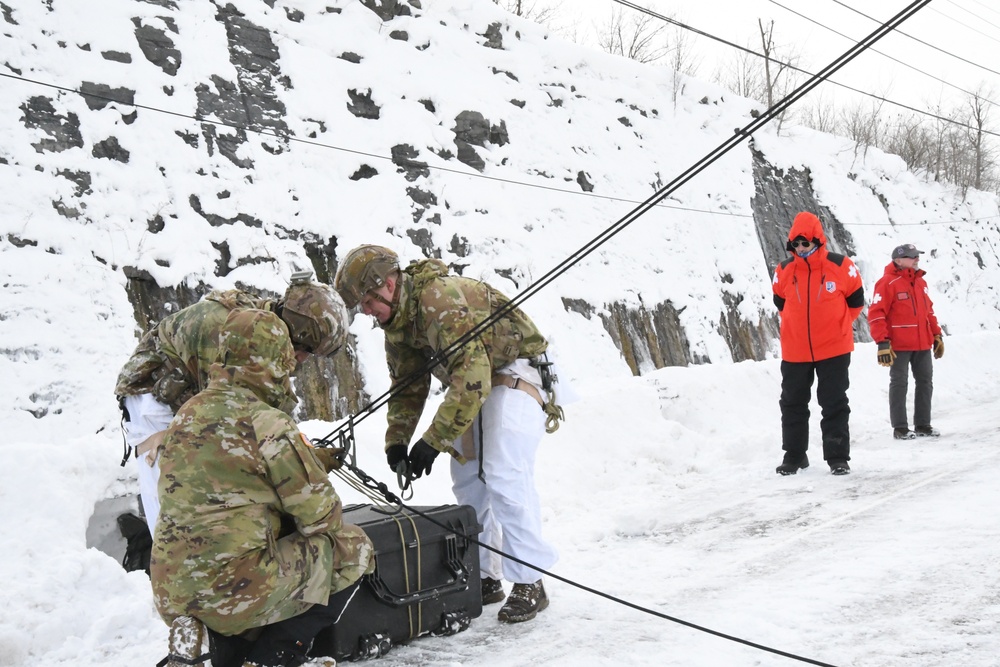
Winter training supported by National Ski Patrol. Photo: Michael Strasser / U.S. Army, public domain. This is not a resort first-aid demonstration. Photo source ↗
06 / PAUSE, ASSESS & RECOVER
Skiing Safety: Falls, Fatigue and Getting Help
After a fall, the priority is to assess the situation rather than rush back onto your skis. Know how to contact ski patrol, recognise when the session should end and leave time for recovery.
Pause after a fall and check for pain, dizziness, confusion or difficulty moving. Ask for help rather than forcing yourself upright.
Contact ski patrol for a possible injury; give the piste name, nearest marker, number of people and what happened.
End the session when fatigue affects control. Suspected concussion means no same-day return and assessment by a healthcare professional.
CHECK BEFORE CONTINUINGThe patrol number is saved, a companion knows your plan and everyone agrees that reporting pain or stopping early is acceptable.
STOP & REASSESSSeek urgent help for a suspected head or neck injury, worsening symptoms, breathing difficulty, severe pain or inability to bear weight. Follow patrol or emergency-dispatch instructions.
Use this as a conversation with your instructor. A checked box does not replace a practical assessment of your ability or the conditions.
Cookies on DYLAN. With your permission we use analytics cookies to see which pages and guides are useful. Necessary cookies for sign-in, your enquiry list and live chat are always on. Cookie Policy