Skiing
06. Skiing Safety: Falls, Fatigue and Getting Help
After a fall, the priority is to assess the situation rather than rush back onto your skis. Know how to contact ski patrol, recognise when the session should end and leave time for recovery.
DYLAN / PRACTICAL SKIING GUIDES
After a fall, the priority is to assess the situation rather than rush back onto your skis. Know how to contact ski patrol, recognise when the session should end and leave time for recovery.
For beginner alpine skiing on open, managed resort slopes. Use these notes alongside a qualified instructor; they are not a substitute for an on-snow lesson.
1. Pause before trying to stand
A fall can leave skis crossed and limbs in an awkward position. Take a moment to notice pain and check your surroundings. Do not wrench a trapped leg or force a knee to twist in order to stand. If you feel injured, call for assistance. Learn getting up with an instructor on suitable gentle terrain before relying on it elsewhere.
If you are uninjured and can move safely, clear the traffic line as your instructor directs. Do not hurry to retrieve scattered equipment while other skiers are approaching. A companion should avoid stopping in a hidden place or creating a second collision risk.
2. Give ski patrol useful information
Use the resort’s published emergency contact or ask a nearby staff member to call. Describe the piste name and the nearest numbered marker, lift tower or clearly identifiable feature. State how many people need help and whether the person is conscious, breathing and able to move. Answer questions and follow the dispatcher’s instructions.
Do not move someone with a possible serious injury unless remaining there presents immediate danger or emergency professionals direct you. Keep yourself safe and offer reassurance while help is arranged. Avoid giving improvised medical treatment beyond your training. If local patrol cannot be reached during an urgent emergency, use the local emergency service.
3. Take head impacts seriously
After a possible concussion, remove the person from skiing immediately. Headache, dizziness, confusion or other concerning changes after an impact warrant medical assessment. Do not use a brief rest, a normal-looking helmet or the person saying “I feel fine” as permission to restart.
CDC guidance is clear that suspected concussion means no return to sport that day, and return requires healthcare clearance. If symptoms are severe or worsening, seek emergency help. This guide cannot diagnose a concussion or decide when someone is fit to ski again.
4. Notice fatigue before the final run
Treat repeated loss of balance, slower decisions and missed stopping points as reasons to pause. Plan food, water and warm indoor breaks before concentration disappears. Tell your companions if your legs feel exhausted; do not agree to one more difficult run just to stay with the group.
At the end of the day, check rental equipment for problems and report impacts or unusual releases to the shop. Dry clothing, eat, drink and allow recovery. Write down the skill that still needs coaching and choose the next lesson accordingly. If pain persists or affects normal movement, seek appropriate medical advice before returning.
Your next-session checklist
- Pause after a fall and check for pain, dizziness, confusion or difficulty moving. Ask for help rather than forcing yourself upright.
- Contact ski patrol for a possible injury; give the piste name, nearest marker, number of people and what happened.
- End the session when fatigue affects control. Suspected concussion means no same-day return and assessment by a healthcare professional.
Ready check: The patrol number is saved, a companion knows your plan and everyone agrees that reporting pain or stopping early is acceptable.
Stop and reassess: Seek urgent help for a suspected head or neck injury, worsening symptoms, breathing difficulty, severe pain or inability to bear weight. Follow patrol or emergency-dispatch instructions.
Common questions
Can I ski again after a bump to the head?
If concussion is suspected, stop for the day and obtain medical assessment. Return to sport must be guided by a healthcare professional.
Should I finish the run if my legs are exhausted?
Stop in a safe, visible place and ask your instructor or resort staff for help with a suitable plan. Do not continue onto terrain you can no longer control.
Sources and further learning
- CDC HEADS UP: Responding to a suspected concussion
- AAOS: Skiing injury prevention
- NSAA: Your Responsibility Code
Published 26 October 2026. Editorial preparation notes compiled from the resources above; no personal coaching or medical assessment is implied.
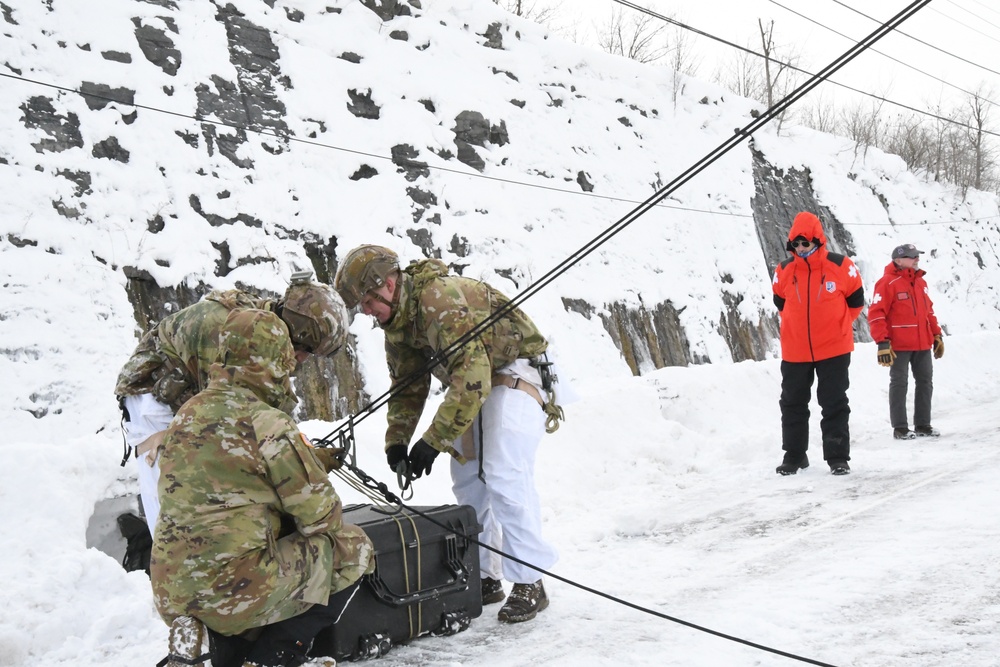
Winter training supported by National Ski Patrol. Photo: Michael Strasser / U.S. Army, public domain. This is not a resort first-aid demonstration. Photo source.
Explore all 6 skiing guides ↗ · Skiing BLOG ↗
Continue learning: 01. Beginner Skiing: Your First Ski Trip Checklist ↗