Trail Adventures
Trekking Poles Sold by the Pair: What Arrives on the Shop Floor?
A customer comparing two pairs of trekking poles can try the grips in seconds.
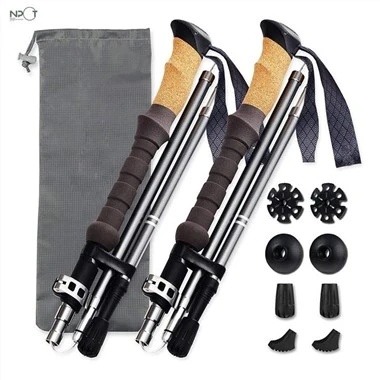
A customer comparing two pairs of trekking poles can try the grips in seconds. Your goods-in team has a harder question: does one barcode identify one pole, one complete pair, or a bundle with removable tips? Resolve that question before comparing your cost per pair.
What the two samples can tell you
DYLAN Hiking 040 is listed as a folding cork-grip pair. Hiking 042 is listed as a lever-lock trekking pair. Put the closed samples side by side on the intended display. Measure from the two furthest points with the straps and packaging in their sale positions. A pole that fits in a box loose can still be too long for the shop peg once its header card is attached.
Build a pack record your staff can use
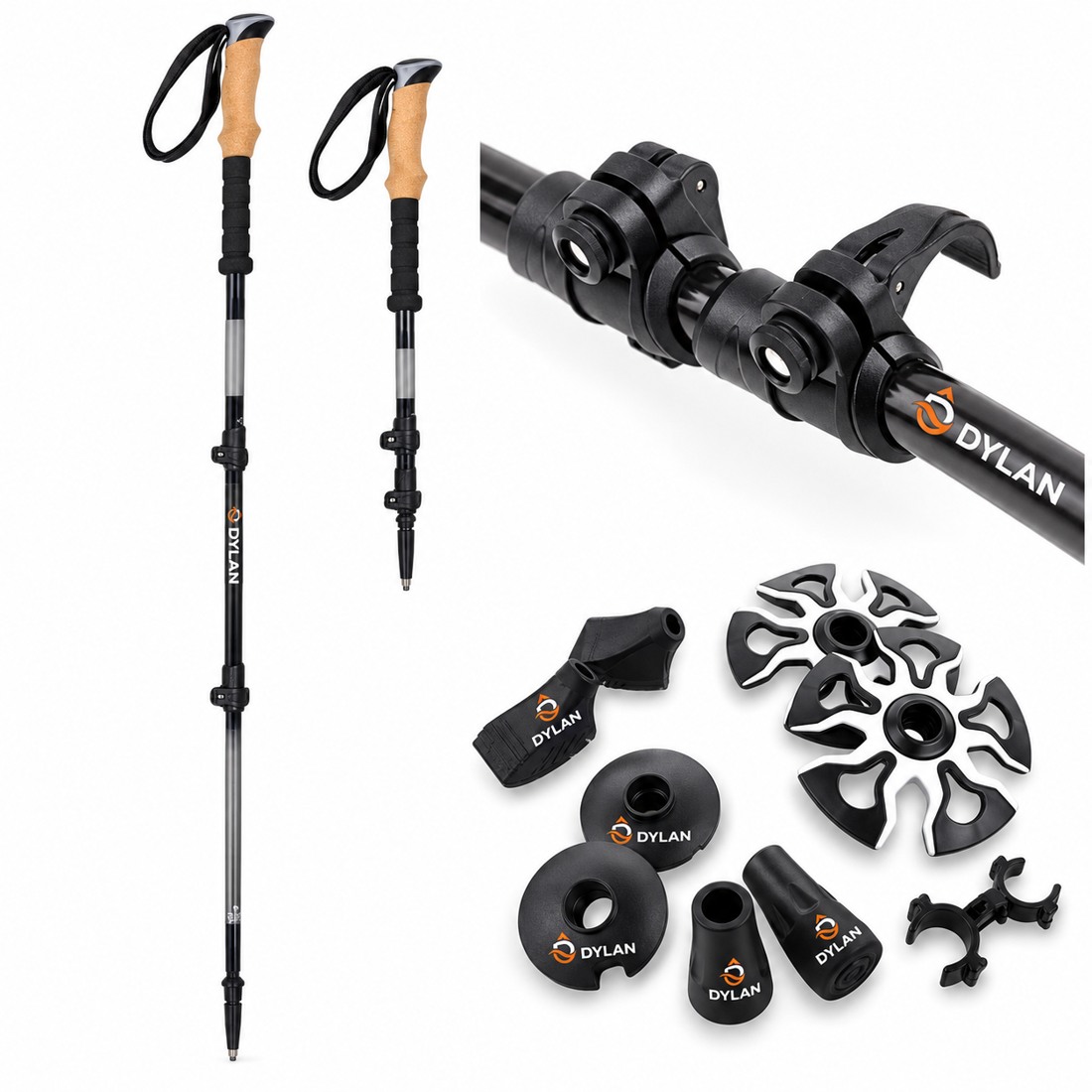
- One retail pair. Lay out both poles, photograph what arrives, and label each loose item as included or optional.
- One shipping carton. Open a sample carton and count complete saleable pairs. Record the unit used on the invoice.
- One return. Give staff the photograph and an opened pack. Ask them to identify a missing item without borrowing parts from a sealed pair.
When the cheaper figure changes
Suppose one offer is for twelve individual poles and another is for eight complete pairs. The first offer supplies at most six pairs before any accessory differences. Compare both quotations on a complete-pair basis. Ask which worn or lost parts can be ordered separately and which require a new pair. That answer matters to a walking-tour operator as much as the first invoice.
Can we combine both models on one shelf label?
Use a distinct model reference for each. A shared heading works for the category, but pack contents and replacement parts belong to the individual reference.
DYLAN Hiking 040 Folding Cork-Grip Pair · DYLAN Hiking 042 Lever-Lock Trekking Pair