Trail Adventures
Woodland Walk Planning: A Beginner’s Route Checklist
Plan a woodland walk with a practical route checklist covering distance, terrain, daylight, navigation and a realistic return time.
Plan a woodland walk with a practical route checklist covering distance, terrain, daylight, navigation and a realistic return time.
Choose the day you want, then the route
A good woodland walk begins with a realistic plan for the whole group. Decide how long you want to spend outside, including breaks and travel, before choosing a route. A short path with roots, mud or steep sections may take longer than its distance suggests. Read the land manager’s route description and recent notices rather than choosing from a photograph alone.
Make the return journey part of the plan
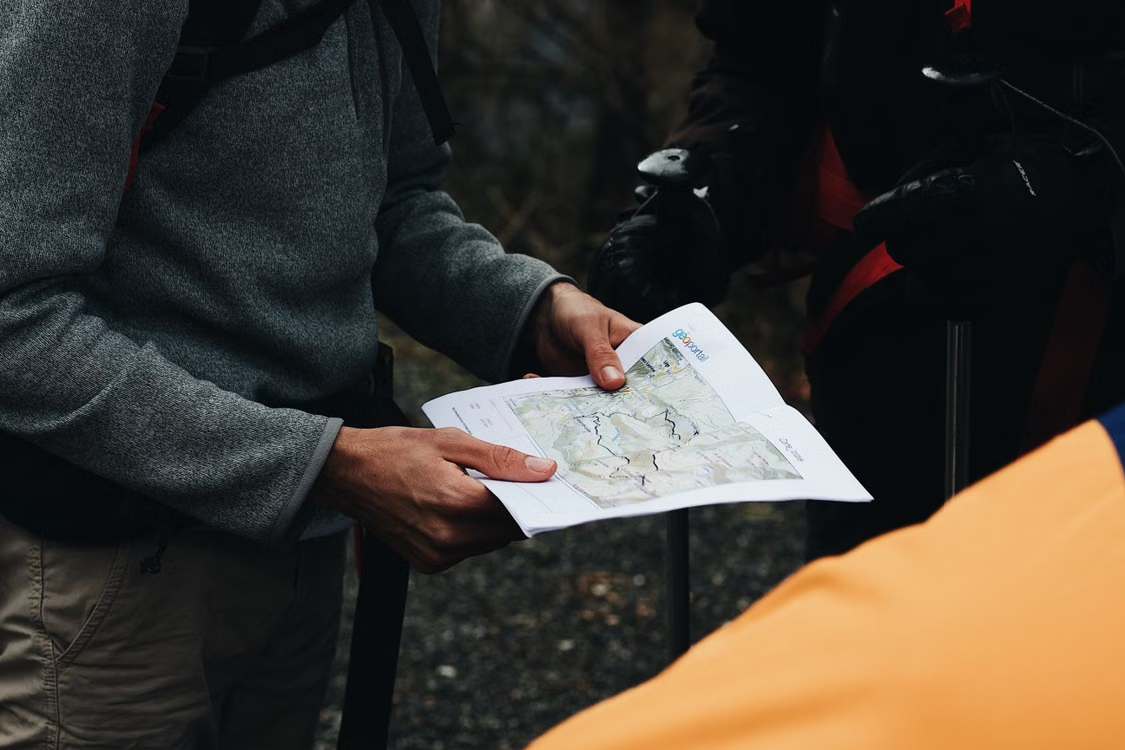
Check whether the route is a loop or an out-and-back, where it starts and how you will get home. Identify junctions that could be confusing and save an appropriate offline map before leaving. Carry navigation you understand, not simply an app you have never used. Choose a turnaround point or time that leaves room for slower progress and daylight on the return.

Share a useful plan with someone at home
Tell a trusted person your route, group details and expected return, then let them know when you are back. Check access, weather and closures again before departure. The National Park Service encourages planning for the abilities and conditions involved. A shorter alternative makes it easier to adapt if the path or the group is different from what you expected.
Your quick checklist
- Check distance, terrain and current access.
- Download your route and identify key junctions.
- Share your plan and return time.
Is the shortest woodland route always the easiest?
No. Surface, gradient, navigation and weather can matter as much as distance. Read the route description carefully.
Continue exploring
What to Wear on a Woodland Walk: Layers and Weather · All Trail Adventures articles
Further preparation: National Park Service hiking preparation. Adapt these general field notes to current local conditions and your experience.