
On the Water: Find Your First Outdoor Water Adventure
A paddle close to shore, a supervised swimming session or a first windsurfing lesson can each open a different door to outdoor life. Start with the experience you want, then choose the setting, instruction and equipment to match.
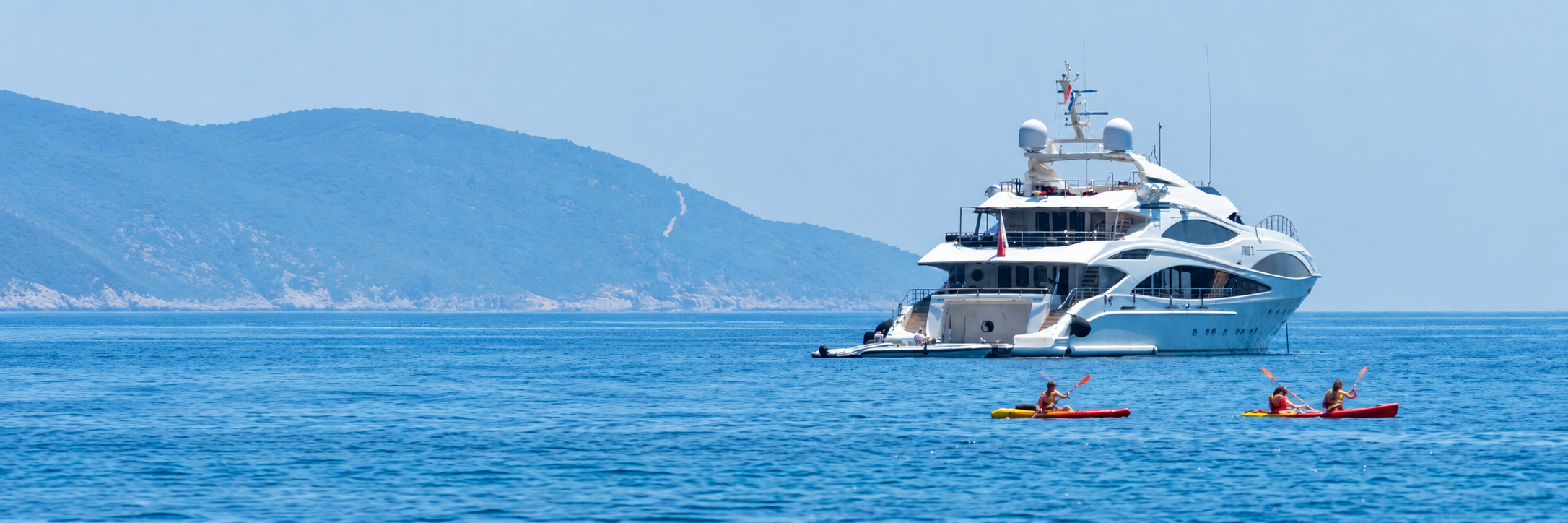
You do not need to begin with a long route or a boat full of equipment. A short, well-planned session gives you room to notice what you enjoy: moving under your own power, learning to read the wind or seeing a familiar coastline from a new angle.
1. Choose your way onto the water
Kayaking and boating: a change of viewpoint
A kayak puts you close to the surface and lets you explore through paddling. Different boats suit different activities, passenger needs and storage arrangements. Before comparing models, decide who is coming, where you intend to use the craft and whether you want a coached introduction or an organised outing. A photograph of calm water is not a guide to conditions at your destination.
Windsurfing and surfing: learn with the conditions
These are different disciplines, with their own equipment and learning paths. Tell a qualified local school that you are starting out and ask which beginner session fits your ability and the day’s conditions. Try an introductory lesson before deciding on a board or rig.
Swimming: begin with the place as well as the stroke
A pool session and an open-water swim are different experiences. Start with a suitable supervised setting, understand local access and warnings, and build skills with an instructor. Our swimming hub introduces the topics to discuss before progressing.
2. Make a plan before choosing the kit
For kayaking, RNLI guidance emphasises checking weather and tides, wearing a suitable buoyancy aid or lifejacket, carrying a way to call for help on your person and learning with a local club or instructor. Be willing to cancel when conditions are unsuitable. Seek local advice about an unfamiliar location and practise capsize recovery through appropriate training.
- Which activity and location are you considering?
- Who is taking part, and what experience do they have?
- Who will provide instruction and assess the conditions?
- What is the agreed finish time and plan if the session changes?
3. Turn your activity into an equipment shortlist
Compare products by intended use, fit, capacity, transport needs and care instructions. Ask for the selected model’s specifications and relevant documents. A water toy, swimming aid and lifejacket have different purposes; do not treat them as interchangeable. The best starting purchase is the one that fits the activity you have actually planned.
Tell DYLAN about your next water day
Share the activity, destination, participants and product questions. For clubs, retailers or brands, include the required quantities and any custom design brief.
RNLI: kayaking and canoeing safety. This introduction helps you plan questions; it does not replace local instruction, current conditions or the instructions for your equipment.