
Beyond the Trail: Plan a Hiking and Camping Weekend
Build your first outdoor weekend around a walk you can enjoy and a campsite you can manage. A thoughtful plan leaves more room for the things you came for: a quieter morning, a shared meal and time outside.
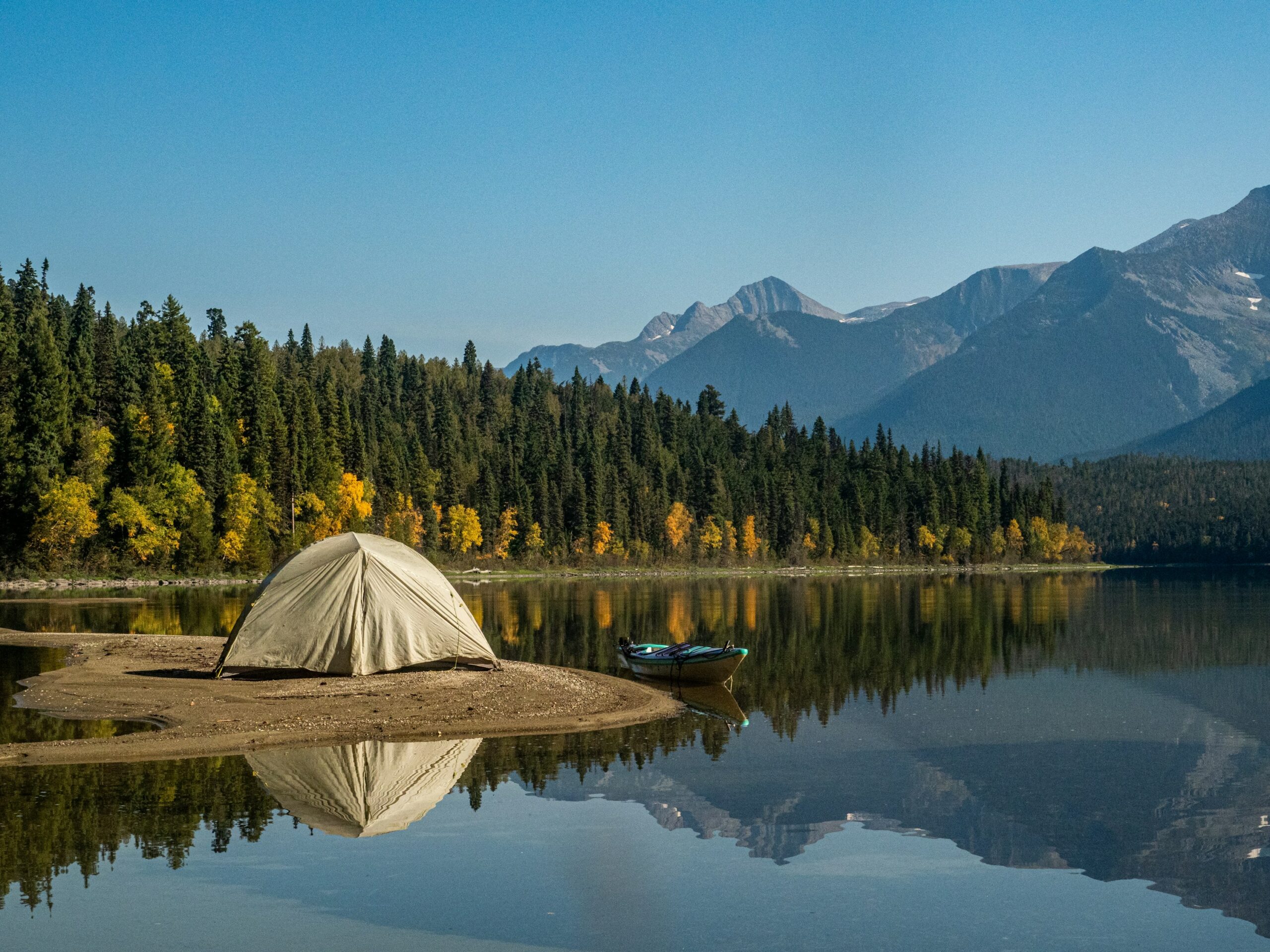
It is easy to imagine a remote summit when you hear the word adventure. A marked local trail and an established campsite can be a more useful beginning. They let you practise packing, setting up and moving at your own pace before considering a more demanding trip.
1. Decide what kind of weekend you want
A day walk with a simple return
Choose a route for the least experienced person in your group. Look beyond distance: the surface, ascent, daylight and access to transport all affect the day. A short route with time to stop can be more rewarding than a longer itinerary that leaves everyone watching the clock.
A campsite as your base
For a first overnight trip, consider an established site with clearly described facilities and access. Find out whether you can park beside your pitch or need to carry everything in. Think through arrival, tent setup, dinner and the next morning as separate parts of the experience.
The National Park Service recommends matching the trip to the group’s abilities, checking campsite access and seasonal conditions, understanding local requirements, and having an alternative plan. Confirm reservations, food-storage rules and fire restrictions with the site itself before travel.
2. Pack around tasks, not a shopping list
Give each item a job. Your shelter needs to suit the pitch and weather; your sleep setup needs to suit the expected night; your carrying system needs to fit the route. Test the combination at home so you know what occupies space, what is difficult to pack and what you can comfortably carry.
- On the move: navigation, suitable footwear, weather layers and accessible food and water.
- At camp: shelter, sleeping equipment, lighting and an appropriate meal plan.
- For a change of plan: extra essentials, first-aid supplies you know how to use and a way to seek help.
Use the National Park Service’s Ten Essentials as a planning reference, then adapt the details to the destination and duration. A familiar short walk and a remote mountain route require different preparation.
3. Keep the plan easy to change
Agree on a turnaround time and leave your route and expected return with a trusted contact. Check the latest trail notices before setting out. Stay together, use established routes and change the plan when conditions or the group call for it. Finishing early can still be a good day outdoors.
Leave some unplanned time at camp. Making a drink, watching the light change and repacking without a rush are part of the weekend, too. Before leaving, check your pitch for small items and waste, and follow the site’s instructions for disposal.
4. Let one weekend inform the next
Make a short note afterwards: what you used, what stayed in the bag and what would have made the day easier. That record is more useful than buying an entire expedition setup at once. Technical climbing, winter travel and mountaineering need their own training and preparation; they are not automatic extensions of a beginner walk.
Build an outdoor kit around your plans
Tell us the season, destination, group size and whether you will carry your kit or use a drive-up campsite. Retail and brand buyers can also discuss partner-sourced outdoor ranges and ODM requirements.
National Park Service: before a camping trip · The Ten Essentials. Check destination-specific guidance and conditions; this article is an introduction to planning, not technical mountain instruction.