Hunting & Field Adventures
04. Move and observe with control
Good field movement starts with balance and attention. Practise walking, stopping, looking and changing direction as separate actions so that observation does not distract you from footing or the people around you.
DYLAN / PRACTICAL HUNTING & FIELD GUIDES
Good field movement starts with balance and attention. Practise walking, stopping, looking and changing direction as separate actions so that observation does not distract you from footing or the people around you.
1. Rehearse the ordinary movements first
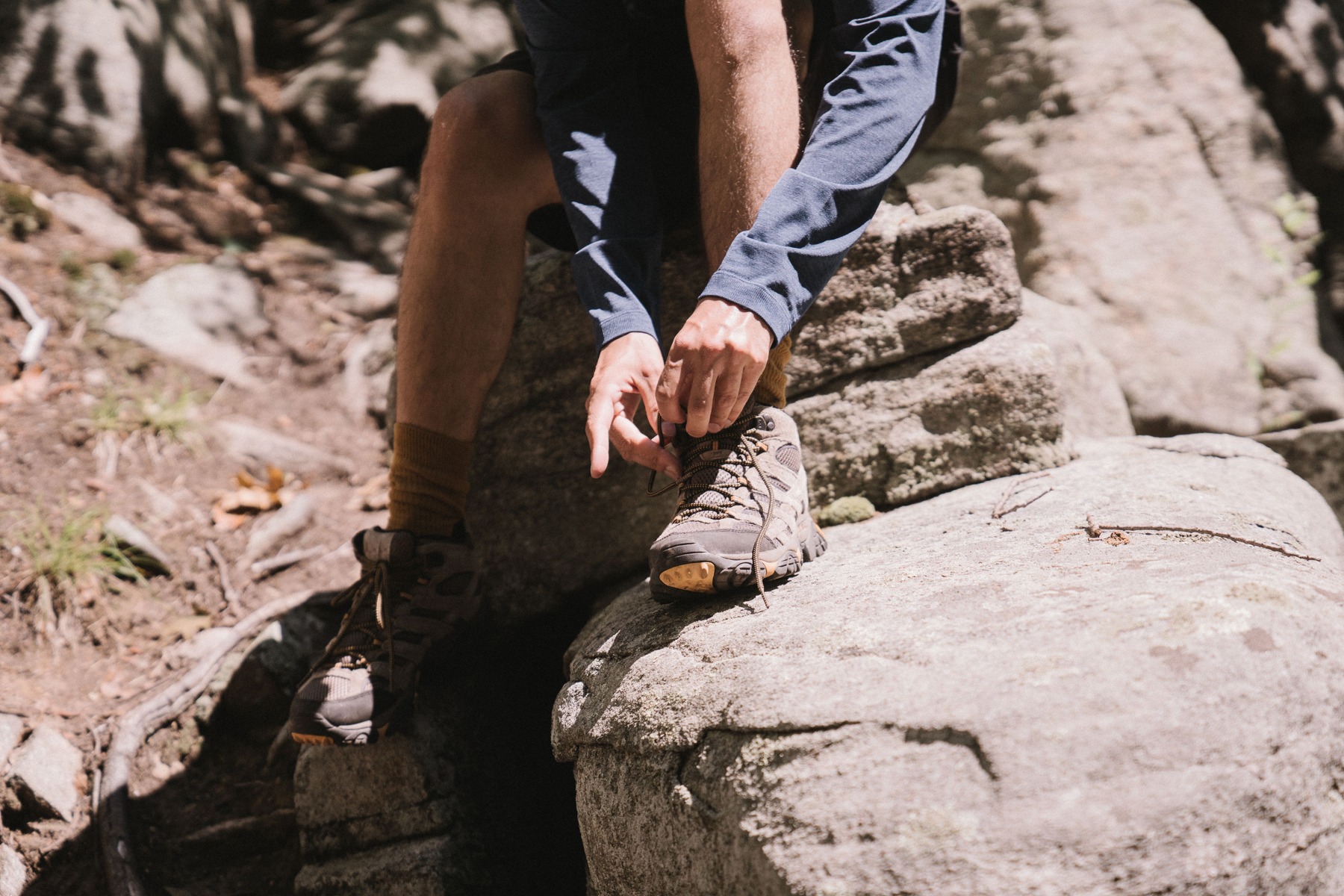
On a familiar, level route without hunting equipment, practise walking with the footwear and pack intended for the day. Begin gently and notice whether the load shifts or your boots rub. Practise coming to a controlled stop and turning without losing balance. This is a preparation exercise, not a test of speed or toughness.
On uneven ground, shorten your steps and look ahead for a stable place to put each foot. Avoid sudden lunges, jumping onto unknown ground or rushing downhill. Allow space so one person’s stumble does not knock another over. Slow the group before the difficult section rather than waiting until somebody is already struggling.
2. Stop to look; stop to navigate
Choose a stable position before lifting binoculars, checking a phone or reading a map. Keep the group aware that you are stopping. Put the observation task away before moving again. Never use a firearm scope to identify a person or an uncertain object; use binoculars and keep equipment pointed safely.
Before changing direction, know where your companions are and communicate the change. If someone disappears from view or communication becomes uncertain, pause and use the agreed regrouping plan. Do not assume that silence means the route is clear. Other walkers, land workers and animals may also be present.
3. Treat obstacles as a new decision
At a fence, ditch, steep bank or stream, stop and assess a safer alternative such as a gate, bridge or authorised path. If footing, depth or stability is uncertain, choose another route or turn back. Do not cross fast or unfamiliar water simply because the destination looks close.
Firearms must be fully unloaded before crossing fences or similar obstacles, following the procedure taught by a qualified instructor. A safety catch is not a substitute. Never climb with a loaded firearm, use equipment as a walking support or improvise a handover that points a muzzle at somebody. Ask for practical instruction before attempting equipment handling around obstacles.
4. Protect your capacity for the walk back
Take breaks before fatigue affects balance and attention. Adjust clothing, drink and eat as appropriate for the conditions, and check for discomfort early. Follow the planned turnaround time even if the group has seen little. The return journey still requires concentration.
Respect boundaries, give other visitors and wildlife space, keep gates as instructed by the land manager and carry out litter. Safe movement includes choosing not to enter a sensitive or uncertain area. These habits are useful even on a field observation day when no hunting takes place.
Before you continue
The group is together, everyone can see the next safe foothold and no observation task is competing with safe equipment handling.
Stop and reassess: Stop for unstable footing, pain, fatigue, rising water or uncertain boundaries. Never rush an obstacle to keep up.
Sources & further learning
- Trip planning — National Park Service
- Crossing obstacles — Texas Parks & Wildlife
- Hunt safely — New York State DEC
- Preparation and survival — Texas Parks & Wildlife
Reviewed 26 October 2026. Sources include US public agencies; legal requirements differ by location. These preparation notes complement practical hunter education and local instruction.