Hunting & Field Adventures
05. Make safety a shared routine
A partner check should confirm understanding, not create false confidence. Learn equipment handling through recognised practical instruction, then repeat the same safety habits every time equipment is carried, transferred or put away.
DYLAN / PRACTICAL HUNTING & FIELD GUIDES
A partner check should confirm understanding, not create false confidence. Learn equipment handling through recognised practical instruction, then repeat the same safety habits every time equipment is carried, transferred or put away.
1. Put practical instruction before participation
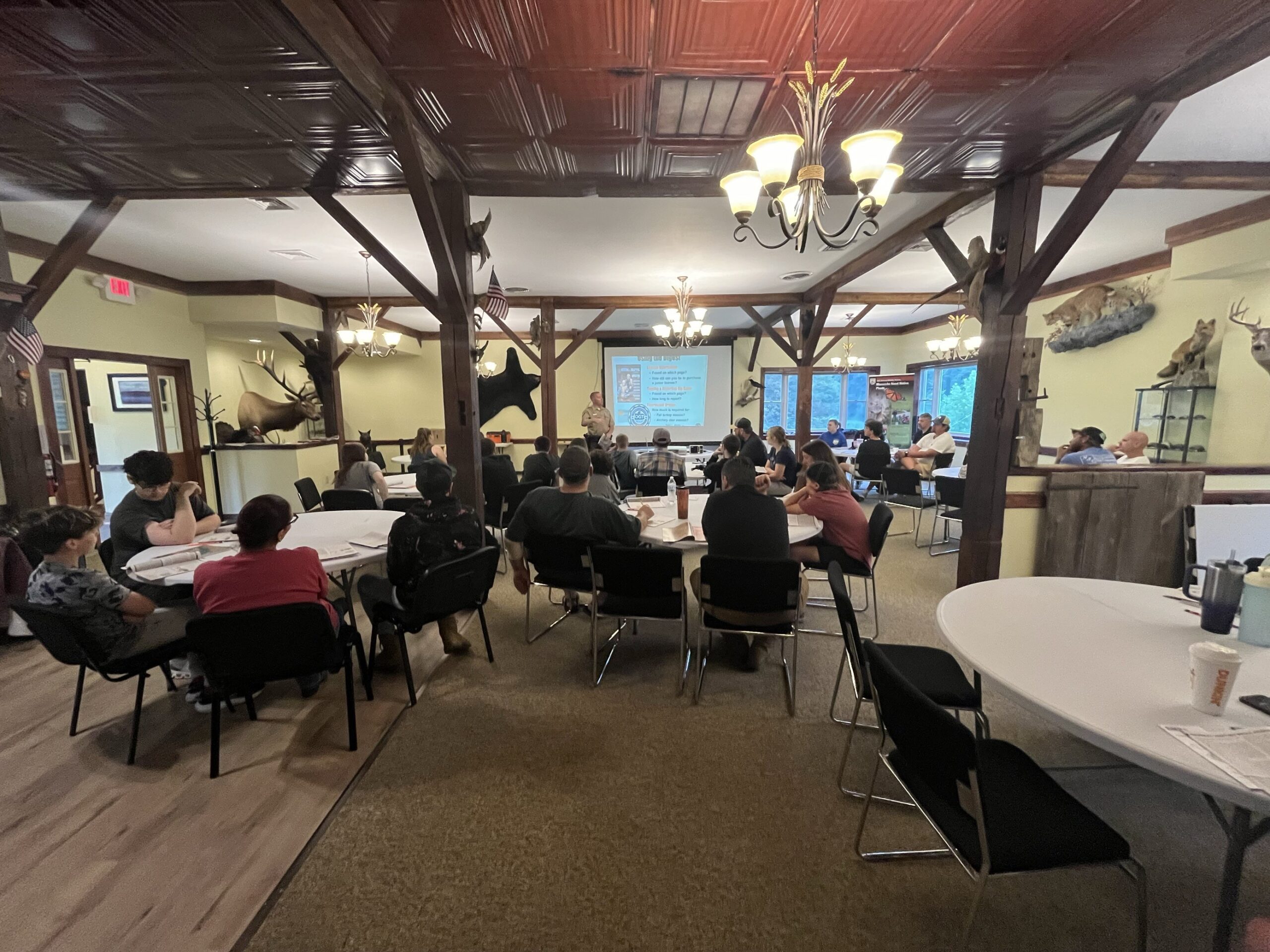
Complete recognised hunter education and learn on the actual type of equipment you intend to use. Handling, unloading, carrying and storage procedures are equipment-specific. Read the manufacturer’s instructions and ask a qualified instructor to observe your practice. A checklist cannot demonstrate competence or replace a supervised lesson.
If you change to unfamiliar equipment, pause and receive appropriate instruction. Do not let another person’s confidence persuade you to use something whose operation you cannot explain. Check the applicable local requirements for transport, storage and access by children or unauthorised people.
2. Repeat the core firearm safety habits
Treat every firearm as loaded. Keep the muzzle pointed in a safe direction, accounting for the people and surroundings at that moment. Keep your finger outside the trigger guard until ready to shoot. Be certain of the target and what is beyond it. A mechanical safety is an additional feature, not permission to neglect these habits.
Never point at something merely to identify it. Use binoculars for observation. If another person’s location, visibility or identification is uncertain, do not proceed. Stop and communicate. Before obstacles or transport, follow your taught unloading procedure and the applicable rules. Do not rely on somebody saying an item is unloaded without the required practical checks.
3. Give archery equipment its own safety review
A bow is not a shortcut around training. Attend suitable archery or bowhunter instruction, inspect the bow, string and arrows according to the manufacturer’s guidance and remove suspect equipment from use. Keep sharp arrowheads protected during transport and storage; do not leave them loose in a pack.
Practise only at an authorised range with a qualified instructor and a controlled area. Never direct a bow or arrow toward another person. Equipment adjustment, drawing and release techniques belong in supervised instruction, not a field experiment. Check whether your destination requires additional bowhunter education.
4. Agree stop calls and avoid untrained elevated use
Before moving, agree a plain stop command and what each person should do when it is called. Stop immediately, maintain safe control and resolve the concern before resuming. Do not handle unfamiliar equipment while distracted by conversation, photos or time pressure.
Falls from elevated stands can be severe. Ground-based outings are the appropriate starting choice for an untrained beginner. Elevated systems require specific instruction, inspection and a compatible full-body fall-arrest system used continuously as directed by the manufacturer, including ascent and descent. Do not improvise installation, attachments or rescue arrangements from an online article.
Before you continue
Everyone understands the stop signal, knows the group’s positions and can demonstrate the required handling checks to an instructor.
Stop and reassess: Stop immediately for unsafe muzzle direction, damaged equipment, uncertainty about people nearby or pressure to exceed your training.
Sources & further learning
- Hunter education — US Fish & Wildlife Service
- Hunt safely — New York State DEC
- Bowhunter education — Texas Parks & Wildlife
- Crossing obstacles — Texas Parks & Wildlife
Reviewed 26 October 2026. Sources include US public agencies; legal requirements differ by location. These preparation notes complement practical hunter education and local instruction.