Hunting & Field Adventures
01. Understand the risks before you go
Hunting combines remote terrain, changing weather, fatigue and equipment that demands disciplined handling. Make the first decision about whether the outing is suitable today — before thinking about what you hope to see.
DYLAN / PRACTICAL HUNTING & FIELD GUIDES
Hunting combines remote terrain, changing weather, fatigue and equipment that demands disciplined handling. Make the first decision about whether the outing is suitable today — before thinking about what you hope to see.
1. Separate the risks instead of calling the day “safe”
A short walk can still include wet slopes, hidden holes, fences, roads, livestock and other people. Add the consequences of a fall while carrying equipment, or a delay after dark. Think through what could happen, how serious it could be and what would prevent it. A familiar location does not remove these risks.
Firearm discharge, sharp broadheads and falls from elevated stands are separate hazards from ordinary walking. Training and sound equipment are required; confidence alone is not a control. For a first outing, choose a supervised plan at ground level and avoid adding unfamiliar equipment or difficult terrain.
2. Check the people as carefully as the forecast
Agree a pace that the whole group can sustain with the planned pack. Ask whether anyone is unwell, short of sleep, uncomfortable with the route or affected by alcohol, drugs or medicine that reduces alertness. Do not proceed with impaired judgement. If a health condition affects exertion or temperature tolerance, resolve the plan with an appropriate health professional beforehand.
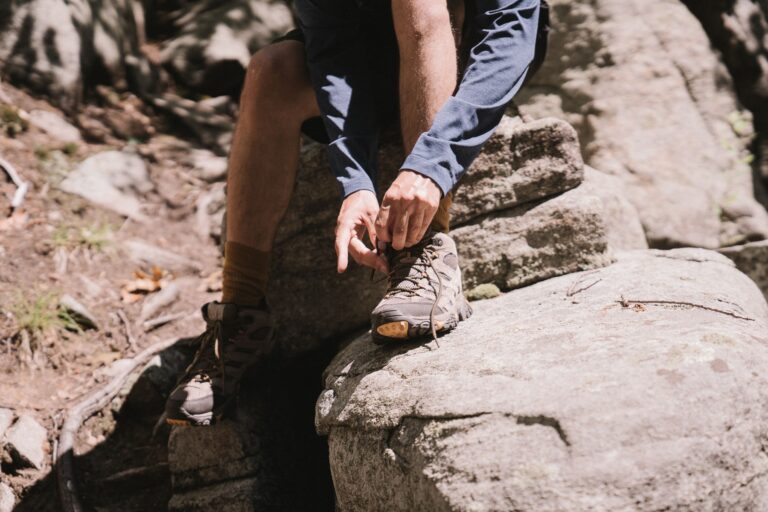
Practise ordinary walking with the intended footwear and pack before the day. A small local outing makes it easier to discover rubbing boots, poor balance or an unrealistic load while help remains close. Do not make the hunting day your first test of fitness or new footwear.
3. Set an exit decision before enthusiasm takes over
Use the official local forecast and land-manager alerts, then check again before leaving. Allow time for a slower return and unexpected delays. Identify substantial buildings or a hard-topped vehicle as lightning shelter; a tree, open shelter or tent is not a safe substitute. Postpone early if thunderstorms threaten an exposed route.
Write down the turnaround time and agree that weather, discomfort, poor visibility, uncertainty about another person’s location or a damaged item can end the plan. Taking an easier route or returning without hunting is a successful safety decision, not a failed day.
Before you continue
Everyone can explain the route, turnaround time, nearest safe shelter and circumstances that will end the outing.
Stop and reassess: Postpone if training, permission or safe conditions are missing. Stop for impaired judgement, unusual weakness, worsening weather or lost contact with a partner.
Sources & further learning
- Hunter education — US Fish & Wildlife Service
- Trip planning — National Park Service
- Lightning safety — National Weather Service
- Hunt safely — New York State DEC
Reviewed 26 October 2026. Sources include US public agencies; legal requirements differ by location. These preparation notes complement practical hunter education and local instruction.