Hunting & Field Adventures
03. Choose and test your field equipment
Build the pack around navigation, visibility, weather protection and the ability to cope with a delay. Select equipment you understand and test it before leaving home; more weight does not automatically mean more preparedness.
DYLAN / PRACTICAL HUNTING & FIELD GUIDES
Build the pack around navigation, visibility, weather protection and the ability to cope with a delay. Select equipment you understand and test it before leaving home; more weight does not automatically mean more preparedness.
1. Dress for walking and for standing still
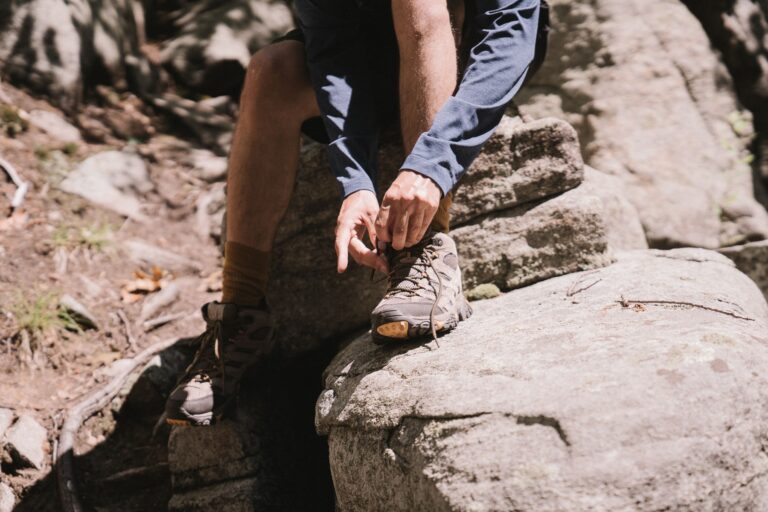
Choose footwear suited to the ground and already tested on a walk. Check the tread, fastening and socks; deal with rubbing before it becomes a blister. Your feet need room to move without slipping inside the boot. Do not compensate for poor fit by simply tightening everything as hard as possible.
Use layers you can adjust as effort and weather change. A comfortable walking temperature may feel cold when you stop. Carry a protective outer layer and spare insulation kept dry. Include a sun hat and sun protection where appropriate. High-visibility clothing, such as hunter orange, improves conspicuity; confirm the exact colour, area and timing requirements locally rather than treating camouflage as a safety measure.
2. Pack by function, not by shopping list
Navigation: take an offline map and a practical backup, plus a compass or other tool you know how to use. Light: carry a headlamp or torch with spare power even if you expect to return before dark. Weather and shelter: include protection for an unexpected stop. Water and food: carry enough for the conditions and an additional margin for delays.
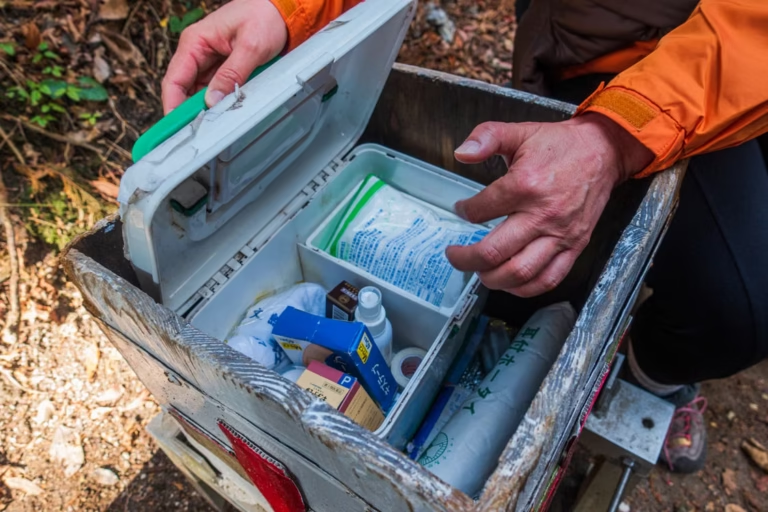
First aid: carry a kit you are trained to use and any personal medication needed for the outing. Protection and repairs: include suitable sun protection and basic repair supplies. Emergency fire equipment is only appropriate where permitted and safe to use; it does not replace proper shelter or warm clothing. The National Park Service Ten Essentials provides a useful starting framework, adjusted to the actual location.
3. Arrange the pack so the useful items stay useful
Keep water and layers easy to reach. Put moisture-sensitive items in protective bags. Carry a whistle and communication device where they remain accessible if you lose the pack or are unable to reach it. Where phone coverage is unreliable, consider an appropriate emergency communication device and learn its operation before the outing.
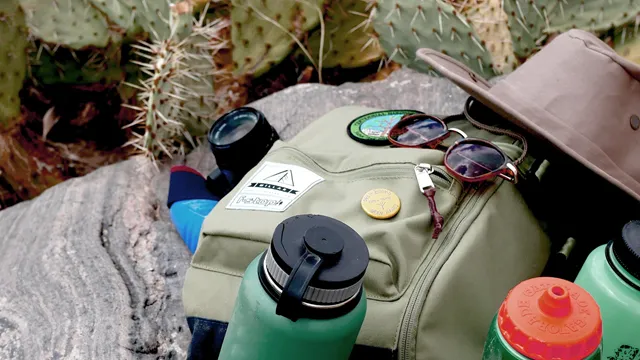
Test the packed load on a short walk. Adjust straps so the bag stays stable without restricting breathing or movement. Remove unnecessary weight, but do not sacrifice essentials to make room for optional equipment. Decide who carries shared supplies and avoid concentrating everything critical in one person’s pack.
4. Inspect, then practise
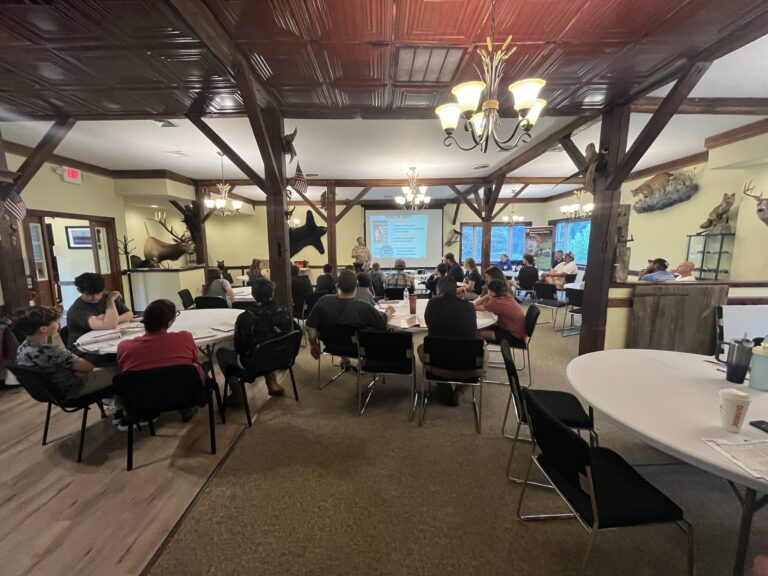
Charge devices, check spare batteries, verify the offline map, inspect damaged straps and review supplies with expiry dates. Test lights and communications. Ask a qualified instructor about protective eyewear, hearing protection and equipment-specific needs. Familiarity comes from supervised practice and manufacturer instructions, not from owning a more advanced product.
Before you continue
You can find and use essential items without emptying the bag. Your loaded pack is comfortable and the group knows where emergency supplies are.
Stop and reassess: Replace damaged essentials. Shorten or cancel the plan if weather protection, water, navigation or communication is inadequate.
Sources & further learning
- The Ten Essentials — National Park Service
- Preparation and survival — Texas Parks & Wildlife
- Trip planning — National Park Service
Reviewed 26 October 2026. Sources include US public agencies; legal requirements differ by location. These preparation notes complement practical hunter education and local instruction.