Hunting & Field Adventures
02. Build a legal, shared field plan
Preparation means more than carrying a licence. Confirm the current local rules, the exact land you may enter, your practical training and a return plan that somebody outside the group can act on.
DYLAN / PRACTICAL HUNTING & FIELD GUIDES
Preparation means more than carrying a licence. Confirm the current local rules, the exact land you may enter, your practical training and a return plan that somebody outside the group can act on.
1. Complete education before relying on a checklist
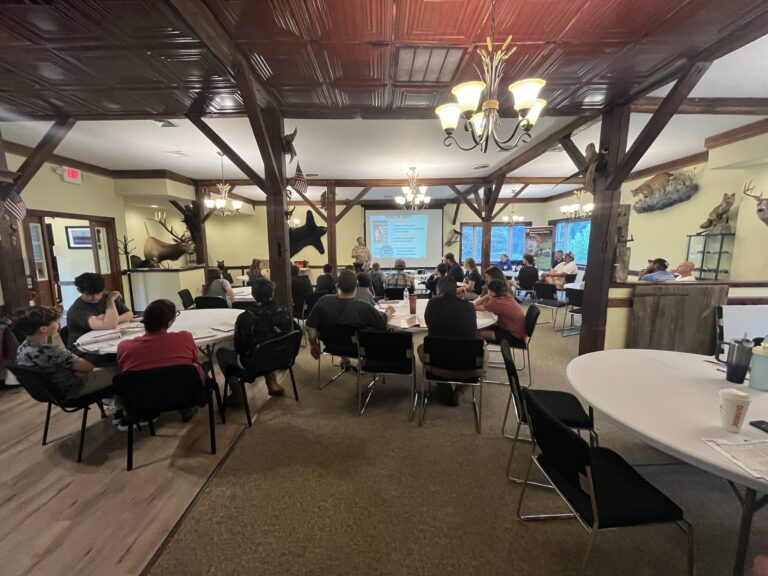
Book recognised hunter education and hands-on instruction appropriate to the location and equipment. A written guide cannot assess your ability to handle a firearm, use a bow or make decisions around other people. Ask the instructor to review safe carrying, unloading, storage, obstacles and group communication in person.
If you intend to use archery equipment, check whether a separate bowhunter course is required or recommended. Requirements can depend on age, residency, equipment and destination. Never assume that a certificate accepted in one place automatically satisfies another jurisdiction.
2. Check the rules for this place and this date
Consult the current official wildlife authority and the land manager. Confirm the open season, permitted species, identification requirements, licences, tags, reporting rules, hours, methods and restrictions. Obtain permission for private land and confirm whether public land has its own permit, booking, closure or access conditions.
Locate boundaries on a reliable map and look for signs on arrival. A map app does not grant access. Save important rules for offline use, carry the required identification and documents, and ask the relevant authority about ambiguity before the trip. This international guide does not replace local legal advice or regulations.
3. Turn the route into a practical briefing
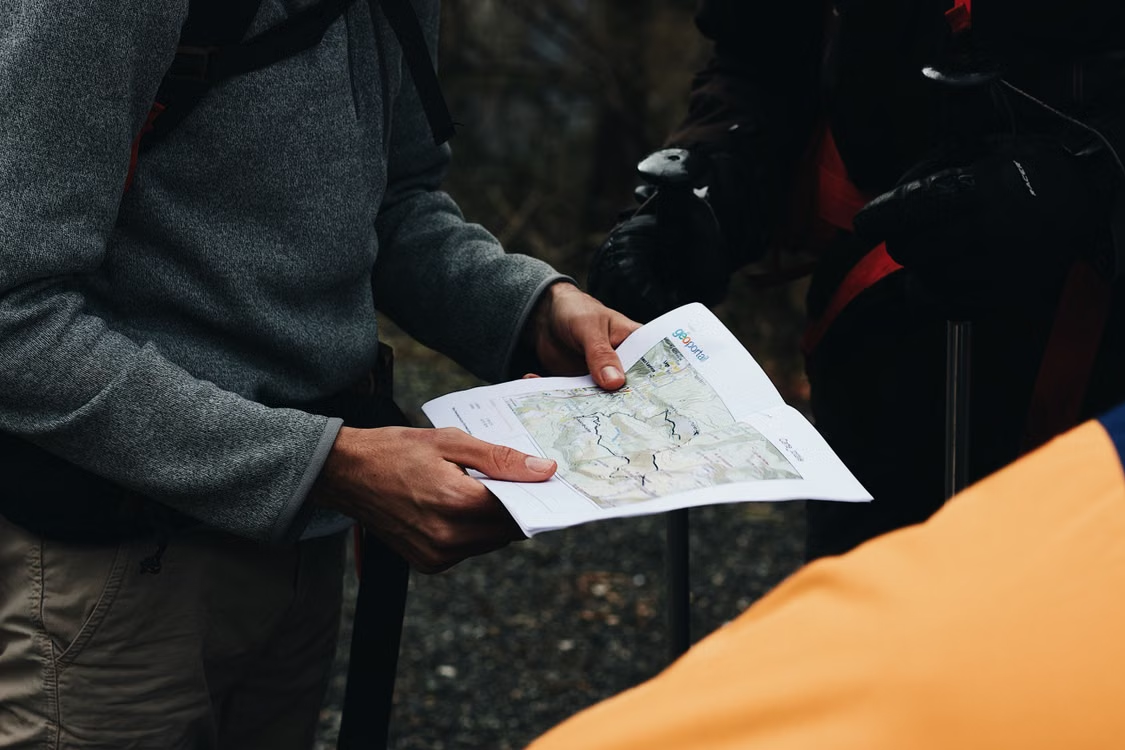
Choose a route with clear landmarks and a return option that fits the group. Note roads, water, steep sections, likely dead zones for phone reception and possible emergency access. Plan enough daylight for a slower walk back. Carry a map and navigation tools you have practised using; a charged phone alone is not a complete navigation plan.
Before setting off, have each person repeat the route and turnaround time. Agree how to stop the group, where to regroup and what to do if contact is lost. Do not improvise a wide search or silently change the destination. Update the plan before changing it.
4. Leave information that can actually help rescuers
Give a trusted person who stays behind the participants’ names and contact details, route and parking location, vehicle description, land-manager contact if relevant, planned return and a specific time to seek help if you are overdue. Agree the local emergency number and who they should contact. Tell this person when everyone is safely back; a plan is incomplete until it is closed.
Before you continue
Each participant has the required documents and knows the meeting point, boundaries, contact procedure and return deadline.
Stop and reassess: Do not enter unclear or closed land, assume another person’s permission covers you, or continue after an unplanned separation.
Sources & further learning
- Hunter education — US Fish & Wildlife Service
- Hunting licences — US Fish & Wildlife Service
- Trip planning — National Park Service
- Preparation and survival — Texas Parks & Wildlife
- Bowhunter education — Texas Parks & Wildlife
Reviewed 26 October 2026. Sources include US public agencies; legal requirements differ by location. These preparation notes complement practical hunter education and local instruction.